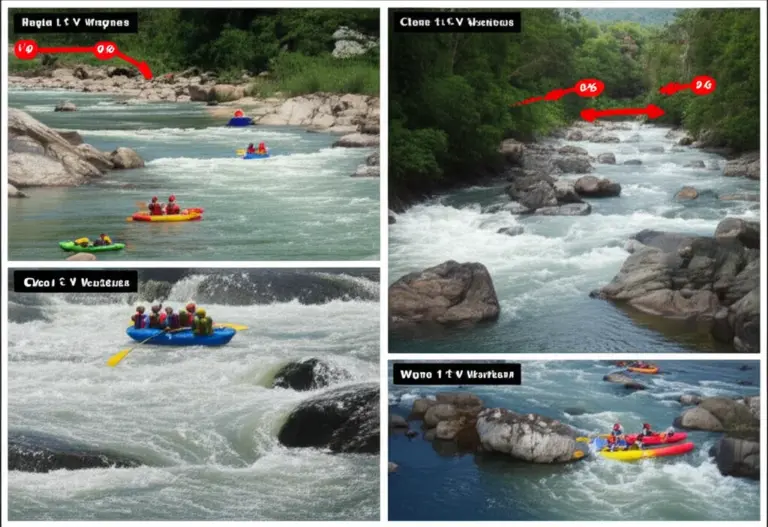
Understanding Mae Taeng rapids: detailed breakdown of rapid grades (I–V), typical run sections, difficulty levels, and safety considerations
- Understanding Mae Taeng rapids: detailed breakdown of rapid grades (I–V), typical run sections, difficulty levels, and safety considerations
Welcome to the ultimate guide for navigating the thrilling Mae Taeng River in Chiang Mai. For adventure seekers planning their trip to Thailand, **Understanding Mae Taeng rapids** is crucial for maximizing enjoyment and ensuring safety. This detailed breakdown covers everything from internationally recognized difficulty scales to specific river sections and essential safety protocols.
The Mae Taeng River, located north of Chiang Mai, is arguably Thailand’s most famous destination for whitewater sports. Its consistent flow, particularly during the wet season (roughly June to October), provides world-class rapids that challenge both novices and seasoned kayakers. To truly appreciate the experience, one must first grasp the standardized system used to classify these watery obstacles: the International Scale of River Difficulty (ISRD).
The International Scale of River Difficulty (ISRD): A Primer
Whitewater rapids are universally graded from Class I (easiest) to Class VI (unnavigable/extreme danger). This system allows rafters and kayakers to gauge the required skill level before entering the water. Mastery of this scale is the first step in responsibly enjoying the Mae Taeng River.
Grade I: Easy (Moving Water)
These are beginner-friendly sections with small waves and clear channels. Minimal maneuvering is required. Commercial tours often use these stretches for initial instruction.
Grade II: Novice (Straightforward Rapids)
Rapids here feature wider channels with moderate, irregular waves that are easily navigable. Paddlers need basic boat control. Most introductory rafting trips on the Mae Taeng focus heavily on Grade II sections.
Grade III: Intermediate (Requires Skillful Maneuvering)
This is where the action truly begins. Grade III rapids involve swift currents, necessary maneuvers around rocks or obstacles, and large, powerful waves that may swamp an open boat. Strong paddling technique and group coordination are essential for success. Many of the most popular tourist sections feature sustained Grade III action.
Grade IV: Advanced (Difficult & Powerful)
Grade IV demands precise control, excellent technique, and the ability to scout lines quickly. Rapids are long, powerful, and require strong boat surfing or ferry skills. Hazards like strong hydraulics and unavoidable large drops are present. Only experienced paddlers or those under expert guiding should attempt these stretches.
Grade V: Expert (Extreme Danger)
Grade V rapids are reserved for expert kayakers only. They involve extremely powerful hydraulics, massive drops, and very narrow, complex channels where any mistake can lead to severe consequences. While sections of the Mae Taeng River may approach V- conditions during peak flood stage, commercial operations generally avoid these areas entirely.
The runnable length of the Mae Taeng River varies depending on recent rainfall, but it is generally divided into three key segments, each offering a different flavor of excitement.
The Crucial Role of Water Levels
The difficulty of the Mae Taeng River is intrinsically linked to the monsoon cycle. During the peak monsoon months (August/September), water levels are high, transforming Grade III rapids into challenging Grade IV runs, and sometimes pushing barely navigable sections into V territory. Conversely, during the dry season (February–May), the river may drop too low for enjoyable rafting, often yielding only Grade I or II flows, or becoming completely unrunnable in parts. Always check current river flow data or consult local outfitters before planning your trip.
Essential Safety Considerations for Mae Taeng Adventures
Safety is paramount when dealing with moving water, regardless of the reported grade. The jungle environment surrounding the Mae Taeng adds layers of complexity, including submerged hazards and swift access/egress points. Demonstrating expertise in safety protocols builds trust with potential tourists.
Never Raft Unaccompanied
The Mae Taeng is not a place for independent exploration unless you are a highly experienced whitewater kayaker familiar with the specific Thai river system and carrying full safety gear.
Gear and Preparation
Ensure your outfitter provides and mandates the use of high-quality equipment:
- Personal Flotation Device (PFD): Must be Type III or higher, properly fitted and worn at all times.
- Helmet: Essential protection against impacts with rocks or other boats.
- Footwear: Secure shoes that can handle submersion (no flip-flops).
- Wetsuits/Dry Gear: Depending on the season, the water can be cold, especially after a heavy rain upstream.
Guide Reliance and Local Knowledge
Always choose a reputable tour operator registered with the Tourism Authority of Thailand (TAT). Professional guides possess intimate knowledge of the river’s transient hazards—like strainers (fallen trees blocking the flow) or submerged debris that shifts after floods. They are trained in swiftwater rescue techniques specific to this environment. Trust their calls, especially regarding mandatory portages (carrying boats around dangerous sections).
Video Guide: Visualizing the Mae Taeng Experience
To fully appreciate the dynamic nature of the river and see the rapids in action, watch this visual guide showcasing the typical run near Chiang Mai. This helps set realistic expectations for the adventure ahead.
As demonstrated in the video, the combination of technical rapids and stunning jungle scenery makes the Mae Taeng River a must-visit for adventure tourism in Northern Thailand. Proper preparation, based on a solid understanding of river grades, ensures a memorable and safe journey.
คำถามที่พบบ่อย (FAQ)
When is the best time of year to go rafting on the Mae Taeng River?
The peak season for rafting is during the monsoon months, typically June through October, when water levels are highest, providing the most challenging and exciting rapids (Grade III/IV). The dry season (November to May) offers gentler, more family-friendly runs (Grade I/II).
Can children participate in Mae Taeng rafting tours?
Yes, most commercial operators cater to families by running trips exclusively on the lower, mellower sections (Grade II or less) during the dry season. Standard minimum age requirements usually start around 7 or 8 years old, but this varies by tour operator and current water level.
What does it mean if a rapid is described as ‘technical’?
A ‘technical’ rapid requires precise steering and immediate reaction time. Instead of just powering through large waves, the paddler must navigate specific, tight pathways between obstacles like boulders, narrow chutes, or holes, often classifying it as Grade III or higher.
References
International Whitewater Classification Standards
Tourism Authority of Thailand Official Site
- White-Water Rafting in Mae Taeng 2025: Rapid Grades, Best Season, and Complete Trip Planning Guide
- Best time to go white-water rafting in Mae Taeng 2025: seasonal flow, rainfall patterns, and ideal months for each rapid grade
- Choosing a rafting trip: guided tour options, family vs. adventure trips, equipment, fitness requirements, and what to expect on a full-day itinerary