How are community events organized in Nimman co-living spaces — calendars, types (networking, wellness, cultural), and how to join or host one?
- How are community events organized in Nimman co-living spaces — calendars, types (networking, wellness, cultural), and how to join or host one?
- The Ecosystem of Nimman Co-living: More Than Just a Desk
- The Spectrum of Events: Types Organized in Nimman Co-living
- How to Join Community Events: A Step-by-Step Guide
- Hosting Your Own Event: Empowering the Community
- คำถามที่พบบ่อย (FAQ)
- Do I have to pay to attend most co-living events in Nimman?
- How far in advance are events typically scheduled?
- Can I invite friends from outside the co-living space to an event?
Welcome to Nimmanhaemin, Chiang Mai – the digital nomad hub where community isn’t just a buzzword; it’s the operating system. For travelers and long-term residents alike, understanding how are community events organized in Nimman co-living spaces is key to unlocking the best of Chiang Mai’s social scene. These spaces thrive on curated experiences, turning shared accommodation into vibrant micro-communities. This guide details the mechanics, types, and participation methods for these essential gatherings.
The Ecosystem of Nimman Co-living: More Than Just a Desk
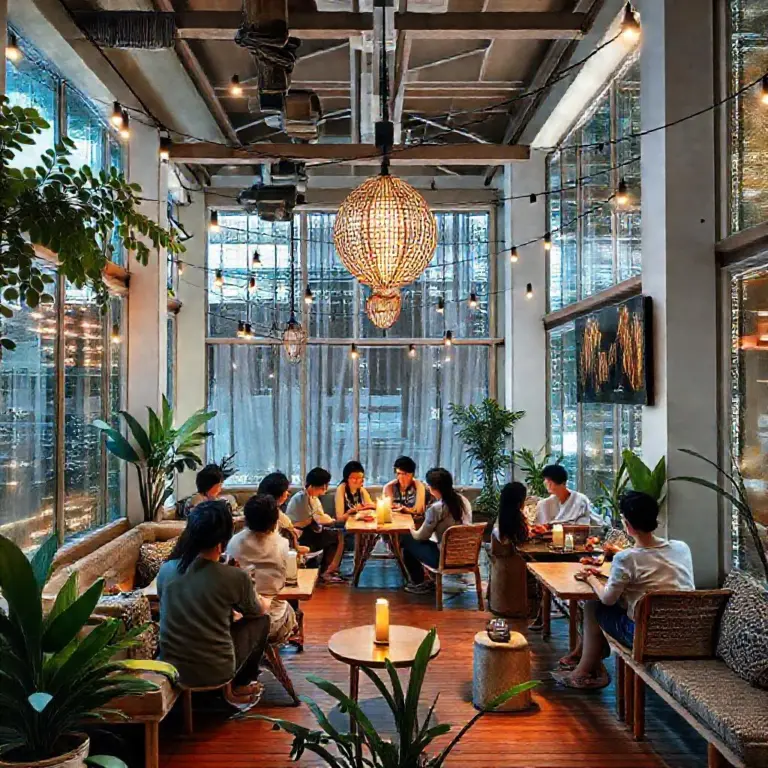
Nimman, known for its trendy cafes and accessibility, hosts numerous co-living facilities that prioritize community building. Unlike traditional apartments, co-living is designed around shared experiences. The organization of events within these spaces is usually decentralized yet structured, balancing resident autonomy with management oversight. This ensures events are relevant, safe, and consistently high-quality.
Centralized Communication: The Digital Hub
The first step in understanding event organization is knowing where to look. Most Nimman co-living venues rely on digital tools:
- Dedicated Community Apps (e.g., Slack, Discord channels)
- Physical Notice Boards near common areas
- Weekly or Bi-weekly Email Newsletters from management
The Calendar is the heart of the operation. It’s often managed by a dedicated Community Manager or Resident Ambassador whose primary role is facilitating these connections.
The Spectrum of Events: Types Organized in Nimman Co-living
Events are strategically categorized to cater to the diverse needs of the transient digital nomad population. These generally fall into three main pillars: Networking, Wellness, and Cultural Immersion.
1. Professional Networking & Skill Sharing
Given Nimman’s proximity to major tech hubs and universities, professional development is highly valued. These events are crucial for entrepreneurs and remote workers.
- Fireside Chats: Informal Q&A sessions with successful local entrepreneurs.
- Skill Swaps: Residents teaching each other skills (e.g., basic Python, SEO tips, Thai language basics).
- ‘Coworking After Hours’: Casual meetups at nearby cafes to transition from work mode to social mode.
2. Wellness and Mindfulness Activities
To combat burnout common among remote workers, wellness activities are frequently scheduled, often utilizing common rooftop spaces or nearby parks.
3. Cultural and Local Immersion
These events connect residents with the local Thai culture, moving beyond the typical tourist path.
- Temple Visits: Organized trips to historic temples outside the immediate Nimman area.
- Cooking Classes: Learning to prepare authentic Northern Thai dishes like Khao Soi.
- Market Tours: Guided visits to Warorot Market (Kad Luang) followed by a communal dinner.
How to Join Community Events: A Step-by-Step Guide
Joining is usually straightforward, but preparation is key, especially for popular events that have limited capacity. Here is the proven method for ensuring you don’t miss out on the best activities:
- Check the Calendar Daily: Consistency is vital. New events can be posted spontaneously.
- RSVP Promptly: Use the designated platform (app or sign-up sheet). Many events, especially those involving food or external venues, require a headcount for logistics.
- Respect Capacity Limits: If an event is full, ask if a waitlist is available rather than assuming you can attend.
- Arrive on Time: Lateness disrupts the flow, particularly for structured activities like yoga or workshops.
Pro Tip for New Arrivals
Hosting Your Own Event: Empowering the Community
The best co-living communities encourage residents to take initiative. If you notice a gap in the current schedule—perhaps no one is organizing a weekly board game night or a specialized coding review—you have the power to host one.
The Process of Proposing and Launching an Event
The steps to how are community events organized in Nimman co-living spaces when initiated by a resident typically involve collaboration with management:
- Idea Conception: Define the goal, target audience, and required resources (space, A/V, budget).
- Proposal Submission: Submit a brief proposal (often via email or a form) to the Community Manager. Include the proposed date, time, and estimated attendance.
- Logistics Approval: Management will review the proposal for conflicts, safety compliance, and resource allocation (e.g., booking the common room).
- Promotion: Once approved, management usually assists in cross-posting the event across all official channels, leveraging their established reach.
- Execution and Feedback: Host the event and ensure clean-up. Post-event feedback helps refine future community offerings.
For example, a resident wanting to host a ‘Thai Coffee Brewing Workshop’ would need approval to use the common kitchen area and perhaps a small budget for local beans, which management would facilitate.
A Look at Community Building in Action
To visualize the impact these events have on the traveler experience in Northern Thailand, here is a quick video showcasing the atmosphere within popular Chiang Mai co-living environments:
This integration of social and professional life is what makes Nimman a prime destination for location-independent professionals. By understanding the structure of event organization, you can move from being a passive resident to an active community builder.
คำถามที่พบบ่อย (FAQ)
References
For deeper insights into the digital nomad lifestyle supported by these communities, explore official resources:
- Co-Living Spaces in Nimman 2025: Community Events, Shared Kitchens, and How to Find the Best Fit
- What types of co-living communities exist in Nimman (2025) and which neighborhoods and price ranges should you consider?
- Shared kitchen setups and meal options in Nimman co-living: facilities, hygiene rules, cooking classes, and meal-plan alternatives