Which Recovery Massage Techniques Help Runners Most — Deep Tissue, Thai, Myofascial Release, and Cupping Explained
- Which Recovery Massage Techniques Help Runners Most — Deep Tissue, Thai, Myofascial Release, and Cupping Explained
- Deep Tissue Massage: The Runner’s Deep Dive into Muscle Knots
- Traditional Thai Massage (Nuad Boran): Active Recovery in the Kingdom
- Myofascial Release (MFR): Targeting the Connective Web
- Cupping Therapy: Suction for Deeper Relief
- Synthesizing the Best Approach for Your Thai Running Adventure
- คำถามที่พบบ่อย (FAQ)
Welcome, dedicated runners! Thailand is globally renowned not just for its stunning landscapes perfect for trail running, but also for its ancient healing arts. After pounding the pavement or conquering challenging jungle terrain, recovery is paramount. Understanding Which Recovery Massage Techniques Help Runners Most is the key to minimizing downtime and maximizing your next run. This guide, tailored for the discerning traveler exploring Thailand’s wellness scene, breaks down four powerful modalities: Deep Tissue, Traditional Thai Massage, Myofascial Release (MFR), and Cupping.
As you seek authentic recovery experiences from Chiang Mai to Phuket, knowing the right technique ensures you receive targeted relief, moving beyond a simple relaxation rub to true therapeutic intervention. We will explore the specific benefits each offers to the stressed-out runner’s musculoskeletal system.
Deep Tissue Massage: The Runner’s Deep Dive into Muscle Knots
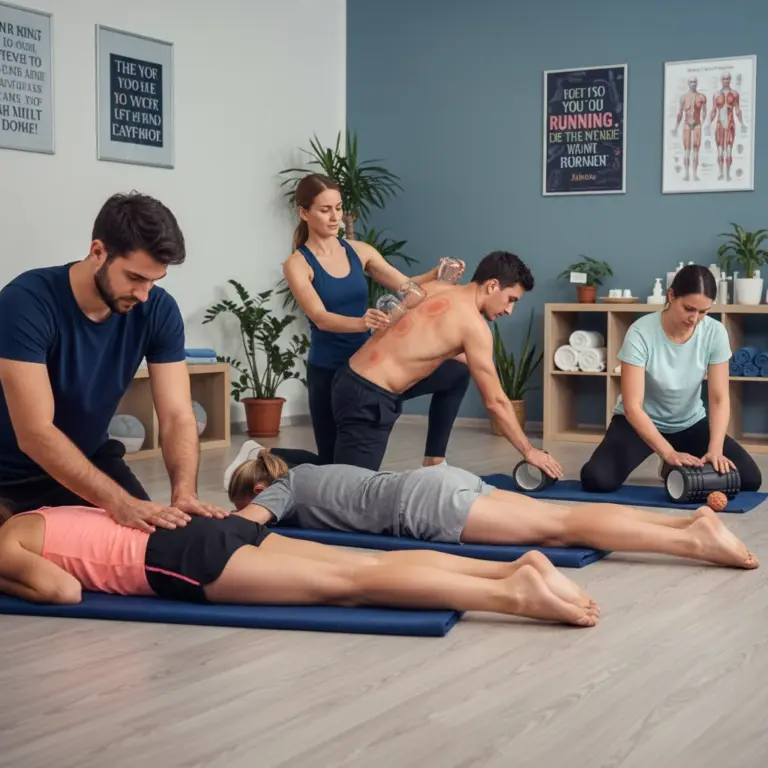
Deep Tissue massage is perhaps the most universally recognized technique for athletes. It targets the deeper layers of muscle and fascia, often focusing on chronic aches and contracted areas known as ‘knots’ or adhesions. For runners, this is crucial for addressing the hamstrings, quadriceps, calves, and IT bands—areas that bear the brunt of repetitive impact.
When to Choose Deep Tissue
This technique is best utilized when you have specific, persistent areas of tightness that standard Swedish massage cannot reach. It involves sustained pressure and friction applied across the grain of the muscle fibers. While it can be intense—even slightly uncomfortable—the resulting release significantly improves flexibility and blood flow.
Traditional Thai Massage (Nuad Boran): Active Recovery in the Kingdom
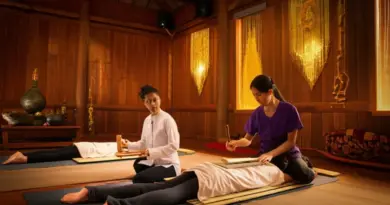
Traditional Thai Massage, deeply rooted in Thai culture and often found in world-class wellness centers across the country, offers a completely different approach. Instead of lying passively, you are moved through a series of stretches and compressions, often performed on a mat on the floor. This is often cited as one of the most effective recovery methods when considering Which Recovery Massage Techniques Help Runners Most for flexibility gains.
The Dynamic Benefits for Runners
- Increased Range of Motion: The assisted stretching opens up the hips and shoulders, essential for efficient running gait.
- Energy Line Work: It stimulates ‘Sen’ energy lines, promoting holistic balance.
- Zero Oil Use: Ideal for those who prefer not to feel oily after a session.
Many runners in Thailand find Thai Massage superior for pre-race preparation or general maintenance due to its focus on movement rather than just deep pressure application.
Myofascial Release (MFR): Targeting the Connective Web
Fascia is the thin, web-like connective tissue that surrounds every muscle, bone, and organ. When fascia becomes tight or restricted—often due to overuse or dehydration common in runners—it can pull muscles out of alignment, leading to pain that feels deeper than muscle soreness. Myofascial Release (MFR) focuses exclusively on gently stretching and releasing these fascial restrictions.
MFR vs. Deep Tissue
While deep tissue targets muscle belly and knots, MFR uses sustained, gentle pressure over long periods (often 90 seconds or more) to coax the fascia to release its grip. This technique is incredibly effective for chronic tightness, such as persistent plantar fasciitis or hip flexor restrictions common in long-distance runners.
To get a visual sense of targeted bodywork, check out this video explaining advanced recovery techniques:
Cupping Therapy: Suction for Deeper Relief
Cupping, another ancient therapy seeing a modern resurgence, involves placing special cups on the skin to create suction. This vacuum effect draws skin, fascia, and muscle tissue up into the cup. This action dramatically increases localized blood flow, helping to flush out metabolic waste products like lactic acid, which contribute to post-run soreness.
The Visual Difference in Recovery
Runners often notice the distinctive circular marks left by cupping. While these marks look intimidating, they are generally painless and represent areas where blood flow was stagnant. For runners dealing with significant tightness in the upper back or shoulders (common when posture tightens up during long efforts), cupping can offer immediate, profound relief.
| Technique | Primary Target | Best For Runners With | Intensity |
|---|---|---|---|
| Deep Tissue | Deep muscle layers | Specific knots, chronic tightness | High |
| Thai Massage | Flexibility, whole body | Stiffness, need for active stretching | Medium to High |
| Myofascial Release | Connective tissue (Fascia) | Persistent, dull aches, restricted movement | Low to Medium (Sustained Pressure) |
| Cupping | Circulation, superficial tissue | Post-race soreness, stagnant areas | Variable (Suction Level) |
Synthesizing the Best Approach for Your Thai Running Adventure
So, Which Recovery Massage Techniques Help Runners Most? The answer is highly individualized and depends on the timing and nature of your pain. A truly effective recovery strategy often involves a combination of these modalities:
- Immediately Post-Race/Hard Effort (0-24 hrs): Focus on gentle techniques like light Thai Massage stretching or very light cupping to encourage circulation without irritating micro-tears.
- Mid-Week Maintenance (48-72 hrs): This is the perfect window for Deep Tissue work on problem areas or dedicated MFR to address restrictions before they become injury sites.
- Pre-Trip Preparation: If you are traveling to Thailand for a major event, consider booking a session that combines elements of Thai Massage for mobility and targeted Deep Tissue work for any specific tightness.
When visiting Thailand, you are in the epicenter of massage tradition. Seek out licensed therapists specializing in sports recovery, especially if you are looking for the deep work associated with Deep Tissue or MFR, as these require specific training beyond standard tourist offerings. Enjoy the journey to better running recovery!
คำถามที่พบบ่อย (FAQ)
References
- The Physiological Effects of Deep Tissue Massage
- A Comparative Study of Thai Massage and Conventional Stretching
- Sports Recovery Massages in Chiang Mai 2025: The Best Clinics, Techniques, and Runner-Focused Treatment Plans
- Top Sports Massage Clinics in Chiang Mai for Runners (2025) — Locations, Reviews, and Booking Tips
- How to Build a Post-Race Recovery Plan in Chiang Mai — Timing, Frequency, and Combining Massage with Physio and Active Recovery