Wat Umong 2025: Complete Visitor’s Guide to the Forest Temple, Ancient Tunnels, and Best Photo Spots
- Wat Umong 2025: Complete Visitor’s Guide to the Forest Temple, Ancient Tunnels, and Best Photo Spots
Welcome to the definitive guide for exploring Wat Umong in 2025. Nestled just outside the bustling core of Chiang Mai, Wat Umong (Wat U Mong Thep Sathit) offers a profoundly different spiritual experience than its city counterparts. Famous for its ancient, man-made tunnels and serene forest setting, this temple is a sanctuary for meditation and photography enthusiasts alike. This comprehensive guide ensures your visit to Wat Umong 2025: Complete Visitor’s Guide to the Forest Temple, Ancient Tunnels, and Best Photo Spots is seamless, respectful, and unforgettable.
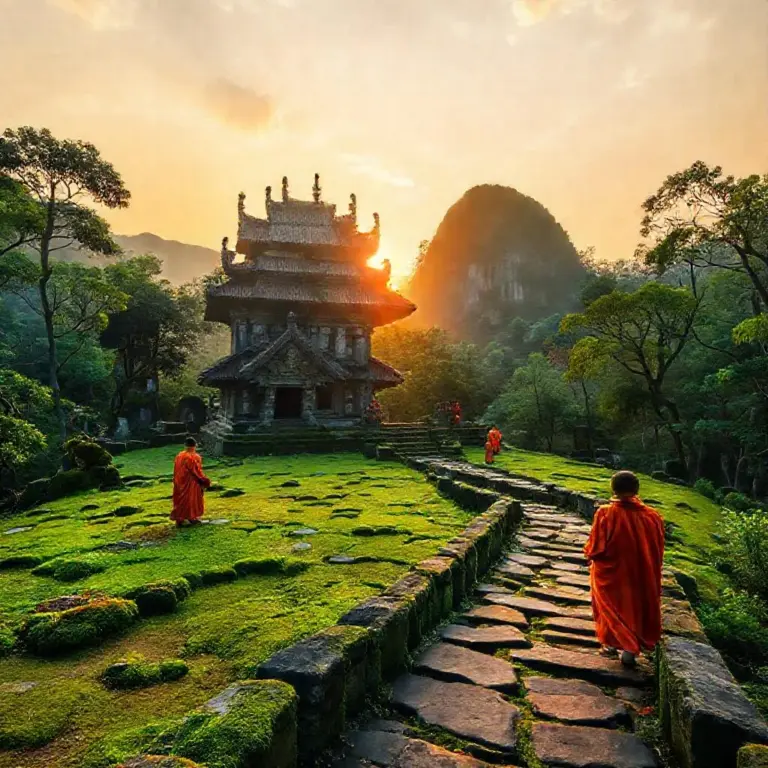
Unlike the golden grandeur of Doi Suthep, Wat Umong whispers its history through moss-covered brick and dappled sunlight filtering through the canopy. Its unique character stems from its founding in the late 13th century by King Mangrai, designed as a place for forest-dwelling monks to practice deep meditation away from worldly distractions. Understanding its history enhances the spiritual resonance you feel when walking the grounds.
Wat Umong is strategically located southwest of Chiang Mai city center, bordering the beautiful Huay Kaew Arboretum and the base of Doi Suthep mountain range. Its slightly remote location contributes significantly to its tranquil atmosphere.
Best Ways to Reach the Forest Temple
For visitors in 2025, transportation options are plentiful, though planning is key, as the temple is not directly on a major public transport route.
- Grab/Taxi: This is the most convenient option. Simply input “Wat Umong” into your ride-sharing app. The journey from the Old City typically takes 15-25 minutes, depending on traffic.
- Rented Scooter: For the adventurous, renting a scooter offers flexibility. Ensure you are comfortable driving in Thai traffic and know the way; the final approach road can be narrow.
- Songthaew: While possible, this requires more negotiation. You will need to hire a red truck (songthaew) willing to take you slightly outside the main tourist routes. Agree on the price before departure.
Operating Hours and Entry Fees
Wat Umong is generally open daily from dawn until dusk. Unlike many major temples, there is typically **no official entrance fee** for general visitation, though donations are highly encouraged to support the upkeep of the grounds and the resident monks. Respectful dress is mandatory.
Exploring the Ancient Tunnels and Caves
The defining feature of this site is its subterranean network. These ancient tunnels, dug into the laterite earth, served as meditation chambers for the earliest monks. Walking through them provides a tangible connection to centuries of spiritual practice.
The Meditation Experience
The tunnels are cool, dark, and profoundly quiet—ideal for introspection. Visitors are welcome to sit quietly inside the designated chambers to meditate. Note that the air flow can be limited, so keep your visit brief and respectful.
| Tunnel Feature | Significance | Visitor Experience |
|---|---|---|
| Main Entrance Tunnel | Leads to the central chamber. | Cool, short walk; usually well-lit. |
| Meditation Alcoves | Small, dark niches for solitary practice. | Requires respect for silence; very dark. |
| Exits/Vents | Provide natural airflow. | Offers unique framed views of the forest. |
Video Tour: A Glimpse Inside
To fully appreciate the atmosphere before you arrive, here is an immersive look at the grounds and the tunnels themselves. This video captures the serene environment perfectly for those planning their Wat Umong 2025: Complete Visitor’s Guide to the Forest Temple, Ancient Tunnels, and Best Photo Spots itinerary.
The Best Photo Spots in Wat Umong
Wat Umong is a photographer’s dream, offering a unique blend of ancient architecture, lush greenery, and spiritual serenity. Capturing the essence of the forest temple requires patience and an eye for light.
1. The Moss-Covered Stupa and Statues
The central stupa and the surrounding Buddha statues are often draped in moss and lichen, giving them an aged, almost mystical appearance. Aim for soft, diffused light, perhaps just after sunrise, to bring out the texture of the stone.
2. Tunnel Framing
Use the tunnel openings as natural frames for photographs of the forest outside. The contrast between the dark interior and the bright exterior foliage creates dramatic, high-contrast shots.
3. The Serene Lake and Bridge
A small lake sits near the main entrance, often dotted with large carp. The simple wooden bridge crossing it, set against the backdrop of the surrounding trees, offers excellent opportunities for peaceful landscape photography.
Etiquette and Respectful Visiting in 2025
As a functioning place of worship, respecting local customs is paramount. Your adherence to these guidelines ensures the temple remains a peaceful sanctuary for everyone.
- Dress Code: Shoulders and knees must be covered for both men and women. Lightweight scarves are useful for quick coverage.
- Noise Levels: Keep voices low, especially near the meditation areas and tunnels. This is a place for quiet contemplation.
- Photography: While generally allowed, avoid taking photos of monks without asking permission first. Do not use flash inside the tunnels.
- Offerings: There are designated areas to leave offerings or feed the fish in the lake, often requiring the purchase of specific food items sold nearby.
Beyond the Tunnels: The Forest Environment
The unique setting of Wat Umong is due to its location within a designated forest reserve. This natural environment is as much a part of the temple’s appeal as the architecture itself. In 2025, expect the surrounding greenery to be vibrant, offering a cool respite from the Chiang Mai heat.
Meditation Programs and Retreats
Wat Umong is renowned for hosting various Vipassana (insight meditation) retreats throughout the year. While these often require advance booking and a commitment to silence, casual visitors can sometimes observe or participate in short, guided sessions offered periodically. Check the temple notice boards upon arrival for the latest schedule information.
Conclusion: The Enduring Charm of the Forest Temple
Your journey through Wat Umong is more than just a sightseeing stop; it’s an immersion into ancient Lanna history and contemplative practice. By following this Wat Umong 2025: Complete Visitor’s Guide to the Forest Temple, Ancient Tunnels, and Best Photo Spots, you are prepared to appreciate the quiet majesty of this sacred space. Whether you seek stunning photography or deep tranquility, Wat Umong delivers an experience unlike any other in Northern Thailand.
คำถามที่พบบ่อย (FAQ)
Here are answers to the most common questions visitors have about planning their trip to Wat Umong.
References
Chiang Mai Official Tourism Information
Tourism Authority of Thailand (TAT) Official Site
- History and Spiritual Significance of Wat Umong: Origins, Lanna Influence, and What Makes the Tunnel Chedis Unique
- Planning Your Visit: Opening Hours, Entrance Fees, Getting There from Chiang Mai, Accessibility, and Best Times to Photograph
- Exploring the Tunnels, Stupas, and Meditation Gardens: Walking Route, Hidden Details, Monks’ Practices, and Respectful Photography Tips