What to Eat in Chiang Mai: Signature Vegan and Vegetarian Dishes, Menus, and Local Ingredients to Try
- What to Eat in Chiang Mai: Signature Vegan and Vegetarian Dishes, Menus, and Local Ingredients to Try
- Signature Vegan and Vegetarian Chiang Mai Dishes You Must Try
- Navigating the Vegan and Vegetarian Menus (Understanding “Jay” and “Mangsawirat”)
- Top Vegan-Friendly Dining Spots and Markets
- A Taste of the Land: Local Ingredients to Look For
- คำถามที่พบบ่อย (FAQ)
- Is it easy to find vegan food in Chiang Mai?
- What does the ‘Jay’ symbol mean in Thai food?
- Can I find vegan versions of Northern Thai dishes like Khao Soi?
- What is the best time to visit Chiang Mai for a vegan food festival?
Welcome to Chiang Mai, the spiritual and culinary heart of Northern Thailand. Often dubbed the ‘Rose of the North,’ this city has quietly blossomed into the undisputed vegan capital of Southeast Asia. For the modern traveler, especially those exploring Thailand Tourism with a focus on plant-based eating, Chiang Mai offers an overwhelming abundance of choices. This guide will help you navigate the vibrant culinary landscape, ensuring your experience of Vegan and Vegetarian Chiang Mai is nothing short of spectacular, from signature dishes to essential local knowledge.
Signature Vegan and Vegetarian Chiang Mai Dishes You Must Try
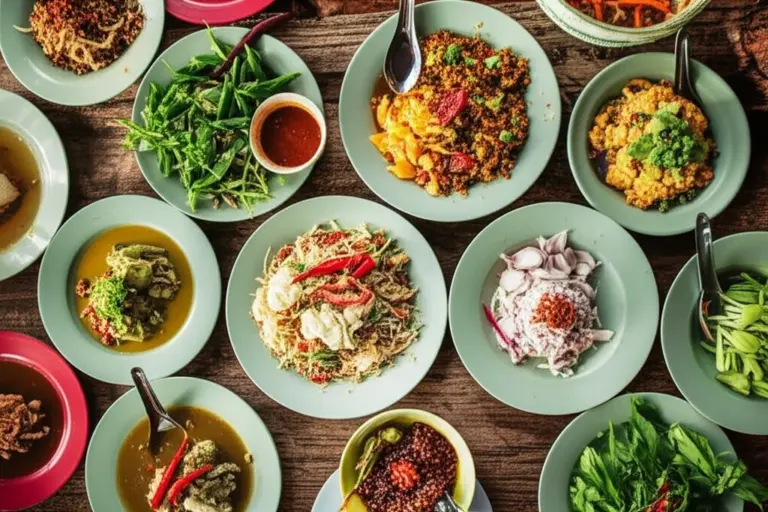
Northern Thai cuisine, known as Lanna food, is distinct from the central and southern regions. It features less coconut milk (except in certain curries) and more use of herbs, spices, and fermented ingredients. Fortunately, the city’s creative chefs have mastered the art of making these regional classics entirely plant-based.
Khao Soi (The Northern Noodle Curry) – The King of Chiang Mai
No trip to Chiang Mai is complete without Khao Soi. This dish is a creamy, rich, coconut curry soup base poured over soft egg noodles, then topped with a nest of crispy fried noodles. The authentic version uses chicken or beef, but the vegan adaptation, utilizing mushrooms, tofu, or mock meats, captures the complex flavors of chili paste, turmeric, and lime perfectly. Look for it on nearly every dedicated vegetarian menu.
Pad See Ew & Pad Thai (Stir-Fried Staples)
These global Thai favorites are easy to veganize. Pad See Ew, with its wide rice noodles, dark soy sauce, and Chinese broccoli, often just requires ensuring no oyster sauce or egg is used. Pad Thai is equally accessible; ask for it ‘Jay’ or ‘Mangsawirat’ and specify ‘no egg’ and ‘no fish sauce.’ The result is a tangy, sweet, and nutty noodle dish that’s satisfying every time.
Sai Oua (Northern Thai Sausage) – The Plant-Based Twist
The traditional Northern Thai sausage, Sai Oua, is known for its intense blend of herbs like lemongrass, kaffir lime leaves, and galangal. Vegan restaurants in Chiang Mai have successfully recreated this flavor profile using ingredients like textured vegetable protein (TVP) or mushrooms, offering a smoky, spicy, and aromatic experience that’s a perfect accompaniment to sticky rice.
To confidently order your food in Chiang Mai, you need to understand two critical Thai terms:
| Term | Thai Script | Meaning | Dietary Scope |
|---|---|---|---|
| Jay | เจ | Strict Vegan/Buddhist Vegetarian | No meat, no dairy, no eggs, no fish/oyster sauce, and also no pungent vegetables (garlic, onion, chives, etc.). This is the safest choice for strict vegans. |
| Mangsawirat | มังสวิรัติ | Western-style Vegetarian | No meat, no fish/oyster sauce. Warning: This often includes eggs and sometimes dairy. Always clarify by saying: ‘Mai gin kai, mai gin nom‘ (No egg, no milk). |
The abundance of ‘Jay’ restaurants is a cornerstone of the Vegan and Vegetarian Chiang Mai scene, particularly evident during the annual Vegetarian Festival in the fall when yellow flags with red ‘เจ’ characters pop up everywhere.
Top Vegan-Friendly Dining Spots and Markets
Chiang Mai’s vegan scene isn’t limited to dedicated restaurants; the local markets are a treasure trove of plant-based delights. For a guaranteed vegan meal, look for established favorites like Free Bird Cafe, Goodsouls Kitchen, and Reform Kafe. However, don’t miss the street food. The North Gate (Chang Puak) night market often has vendors who can accommodate vegan requests. For an immersive look at the local plant-based food scene, check out this video:
A Taste of the Land: Local Ingredients to Look For
Chiang Mai’s cooler climate and fertile highlands allow for the cultivation of unique ingredients that shape its distinct cuisine. Seeking out these local components is key to an authentic culinary adventure.
Unique Herbs and Spices
The pungent, aromatic core of Northern Thai food comes from a mix of ingredients that are often fresh rather than dried. Look for dishes highlighting the citrusy punch of **Kaffir Lime Leaves**, the refreshing zest of **Lemongrass**, and the earthy warmth of **Galangal** (a close relative of ginger). These are the building blocks for curries and chili pastes, and when combined with local mushrooms and tofu, they create unforgettable plant-based flavors.
Organic Produce and Sustainable Farms
Chiang Mai is a hub for sustainable agriculture. Many restaurants source their produce directly from local organic farms in the surrounding hills. This focus on fresh, seasonal, and often mountain-grown vegetables—like crisp Chinese cabbage, sweet potatoes, and vibrant salad greens—means the quality of the vegetables in your stir-fries and salads is exceptionally high. Seek out restaurants that advertise their use of locally sourced organic ingredients for a true taste of the region.
Pro Tip: Dessert is Often Naturally Vegan!
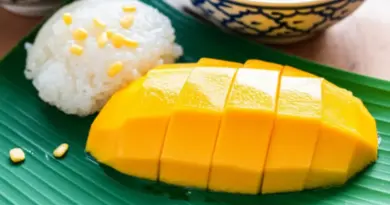
Don’t forget the classic Thai dessert: Mango Sticky Rice (Khao Niao Mamuang). This dish is naturally vegan, consisting of sweet sticky rice, fresh mango, and a drizzle of rich coconut cream. It is the perfect sweet ending to any Northern Thai meal.
คำถามที่พบบ่อย (FAQ)
Yes, Chiang Mai is widely considered the vegan capital of Thailand, with hundreds of restaurants offering dedicated plant-based menus or easily adaptable dishes. The high concentration of vegetarian and vegan establishments makes Vegan and Vegetarian Chiang Mai a breeze to explore.
The ‘Jay’ (เจ) symbol, often a red character on a yellow background, signifies strict vegan food. This diet excludes not only all animal products (meat, dairy, eggs, honey) but also pungent vegetables like garlic, onion, chives, and certain spices, following a traditional Buddhist precept.
Absolutely. Many dedicated vegan and vegetarian restaurants in Chiang Mai specialize in creating authentic plant-based versions of Northern Thai classics, including Khao Soi, *Sai Oua* (sausage), and *Gaeng Hung Lay* (Burmese-style curry), often using mushrooms, tofu, or high-quality mock meats.
The most significant time is during the annual Vegetarian Festival (Tesagan Gin Je), which usually falls in the ninth lunar month of the Chinese calendar (late September or October). During this 9-day period, many street vendors and restaurants switch entirely to ‘Jay’ food, creating an incredible culinary spectacle.
References
- HappyCow – Vegan Restaurants in Chiang Mai
- Tourism Authority of Thailand Official Website
- Thaizer – Thai Vegetarian Festival Guide
- Vegetarian and Vegan Restaurants in Chiang Mai 2025: The Ultimate Guide to Where to Eat, What to Expect, and How to Plan Your Plant-Based Food Tour
- Best Vegetarian and Vegan Restaurants in Chiang Mai 2025 — Top Picks by Neighborhood, Price, and Dietary Style
- Planning Your Vegan Food Tour in Chiang Mai 2025 — Maps, Opening Hours, Reservations, and Transport Tips