Why Chiang Mai Is Thailand’s Farm-to-Table Capital in 2025: Local Food Culture, Organic Farming Trends, and Sustainability Practices
- Why Chiang Mai Is Thailand’s Farm-to-Table Capital in 2025: Local Food Culture, Organic Farming Trends, and Sustainability Practices
The northern jewel of Thailand, Chiang Mai, has long been celebrated for its ancient temples and misty mountains. However, in the run-up to 2025, the city is rapidly cementing a far more delicious and profound reputation: it is undeniably Chiang Mai is Thailand’s Farm-to-Table Capital. This transformation isn’t merely a trend; it is a deep cultural shift rooted in Lanna heritage, driven by innovative organic farming, and championed by chefs dedicated to radical sustainability. For the modern traveler seeking authenticity, Chiang Mai offers a plate where every ingredient tells a genuine story of the land.
The Roots of Lanna Flavor: Understanding Local Food Culture
To appreciate Chiang Mai’s farm-to-table ethos, one must first understand Lanna cuisine. Unlike the heavily coconut-milk-based curries of the South, Northern Thai food relies on fresh herbs, fermented soybeans, and complex chili pastes, often served with sticky rice. This cuisine was inherently local long before the term ‘farm-to-table’ became fashionable. Chefs today are rediscovering and elevating these traditional methods.
The Importance of Indigenous Ingredients
The cornerstone of this culinary movement is the focus on indigenous ingredients that thrive in the Northern climate. Think beyond standard Thai basil; we are talking about unique varieties of eggplant, bitter greens (like phak chi lao), and the powerful kaeng hang le (Burmese-style pork curry), which demands specific local spices. Restaurants prioritizing local sourcing are forming direct relationships with smallholder farmers near Doi Suthep and the surrounding valleys.
The Slow Food Movement in the North
Chiang Mai has enthusiastically adopted the global Slow Food principles—good, clean, and fair food. This commitment translates into several tangible benefits for tourists:
- **Authenticity:** Dishes are prepared using heritage techniques, often requiring hours of slow simmering or fresh grinding of pastes.
- **Fairness:** Chefs ensure fair pricing for farmers, moving away from large-scale industrial suppliers.
- **Biodiversity Preservation:** Emphasis is placed on cultivating and consuming rare, local seed varieties that might otherwise be lost to monoculture farming.
The Green Revolution: Organic Farming Trends Shaping Chiang Mai
The surge in demand from high-end and conscious eateries has spurred a significant boom in organic and regenerative agriculture across the region. Farmers are moving away from chemical dependency, recognizing the long-term health of their soil and the improved flavor profile of their produce. This agricultural shift is central to why Chiang Mai is Thailand’s Farm-to-Table Capital.
Proximity to Production: The Mountain Advantage
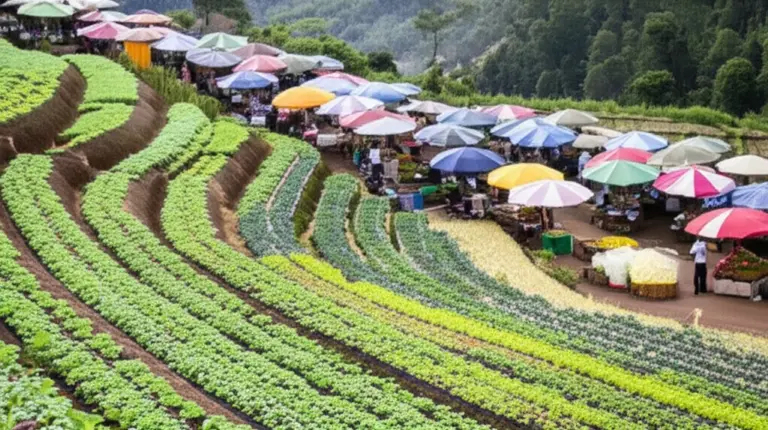
Unlike Bangkok, where produce often travels hundreds of kilometers, Chiang Mai’s major organic farms are often less than an hour’s drive from the city center. This proximity dramatically reduces food miles, ensuring ingredients reach the kitchen at peak freshness. Many culinary tourism operators now offer agri-tours directly to these farms, creating a seamless, educational link between guest and grower.
To better illustrate the journey of these ingredients, here is a look at a typical farm-to-table supply chain in 2025:
| Stage | Activity | Sustainability Impact |
|---|---|---|
| Cultivation | Organic, chemical-free growing methods on small plots. | Soil health improvement, reduced water contamination. |
| Harvest & Transport | Hand-picking by local cooperatives; short-distance delivery. | Minimal bruising, immediate freshness, low carbon footprint. |
| Preparation | Whole-ingredient utilization (root-to-stem cooking). | Reduction of food waste volume sent to landfill. |
Farmer Cooperatives and Direct Sourcing Models
A critical factor bolstering this ecosystem is the strength of local farmer cooperatives. These groups pool resources, share knowledge on organic certification, and negotiate better prices directly with restaurants. This direct sourcing model cuts out middlemen, ensuring that a larger portion of the consumer dollar returns to the agricultural community, fostering economic stability alongside ecological health.
Sustainability in the Plate: Eco-Conscious Dining Practices
The commitment in Chiang Mai extends beyond sourcing ingredients; it encompasses the entire dining operation. Leading establishments are implementing rigorous sustainability protocols that set a benchmark for the rest of Thailand.
Zero-Waste Kitchens and Composting Initiatives
Many top Chiang Mai kitchens are aiming for zero-waste goals. This involves creative inventory management, utilizing every part of the vegetable or animal, and, crucially, managing unavoidable organic scraps. Several restaurants are partnering with local urban gardening projects to divert food scraps for high-quality composting, effectively closing the loop between consumption and production.
The dedication to environmental stewardship is palpable. To give you a visual sense of the innovative culinary landscape driving this change, please watch this short feature on the region’s efforts:
Supporting Smallholders: Economic Impact
When tourists choose a restaurant that publicly commits to local sourcing, they are directly investing in the future of Northern Thai agriculture. This conscious consumerism helps stabilize income for smaller, environmentally responsible farms, providing a financial incentive to maintain organic practices rather than reverting to cheaper, chemical-dependent alternatives. This symbiotic relationship is what truly makes Chiang Mai a sustainable food destination.
Experiencing Farm-to-Table: Where to Taste the Difference
For the tourist eager to immerse themselves, the farm-to-table experience goes beyond fine dining. It includes hands-on activities that deepen appreciation for the process.
- Market Immersion: Visit the Warorot Market early in the morning to see the incredible array of local, seasonal produce that fuels the city’s kitchens.
- Cooking Classes: Seek out classes explicitly focused on Lanna cuisine that source ingredients from their own gardens or nearby farms.
- Agri-Tourism: Book a day trip to an organic farm near Mae Rim or Samoeng, many of which now offer tasting menus on-site.
The convergence of ancient culinary wisdom, cutting-edge sustainable agriculture, and passionate local entrepreneurs confirms that by 2025, Chiang Mai has earned its title as the undisputed Farm-to-Table Capital of Thailand. It offers a gastronomic journey that nourishes both the body and the conscience.
คำถามที่พบบ่อย (FAQ)
Q: What is Lanna cuisine and how does it differ from Central Thai food?
A: Lanna cuisine, originating in Northern Thailand, relies heavily on fermented flavors, chili pastes made without coconut milk, and indigenous mountain herbs. It contrasts sharply with Central Thai food, which often features richer coconut milk bases and sweeter profiles.
Q: How can I verify if a restaurant in Chiang Mai is truly farm-to-table?
A: Look for menus that explicitly list the source farms or mention local cooperatives. Restaurants that offer insights into their ingredient sourcing, or feature seasonal specials heavily influenced by local harvests, are usually trustworthy indicators.
Q: Are there specific organic markets I should visit in Chiang Mai?
A: Yes, while Warorot Market offers general produce, look specifically for smaller, satellite organic markets that pop up on weekends, often near Nimman or in the outer districts, which cater directly to farm suppliers.
Q: What role does sustainability play in Chiang Mai’s tourism goals?
A: Sustainability is becoming central. By promoting farm-to-table, the city attracts high-value, conscious travelers while minimizing the environmental impact associated with food transportation and waste, aligning tourism growth with ecological preservation.
References
For further reading on the agricultural and culinary scene:
- Farm-to-Table Restaurants in Chiang Mai 2025: The Best Organic Menus, Sustainable Farms, and How to Experience Them
- Top Farm-to-Table Restaurants and Organic Menus in Chiang Mai (2025): Reviews, Price Ranges, Dietary Options, and Booking Tips
- How Chiang Mai Farms Supply Restaurants: Seasonal Produce, Organic Certification, On-site Gardens, and Farmer Partnerships