Farm-to-Table Restaurants in Chiang Mai 2025: The Best Organic Menus, Sustainable Farms, and How to Experience Them
- Farm-to-Table Restaurants in Chiang Mai 2025: The Best Organic Menus, Sustainable Farms, and How to Experience Them
- Why Chiang Mai is the Epicenter of Thailand’s Farm-to-Table Movement
- Curated List: The Top Farm-to-Table Destinations for 2025
- Beyond the Plate: Connecting with Chiang Mai’s Sustainable Farms
- Navigating the Menus: What to Look for in Organic Offerings
- How to Experience Farm-to-Table Authentically (Tips for Travelers)
- คำถามที่พบบ่อย (FAQ)
Welcome to the forefront of conscious culinary travel. Chiang Mai, the ‘Rose of the North,’ is rapidly evolving beyond its reputation for temples and trekking, establishing itself as Thailand’s premier destination for authentic, traceable, and sustainable dining. As we look toward 2025, the movement centered around **Farm-to-Table Restaurants in Chiang Mai 2025** is no longer a niche trend but the standard for quality and ethics. This comprehensive guide reveals where to find the freshest organic produce, which local farms support these kitchens, and how you can dine with purpose.
Why Chiang Mai is the Epicenter of Thailand’s Farm-to-Table Movement
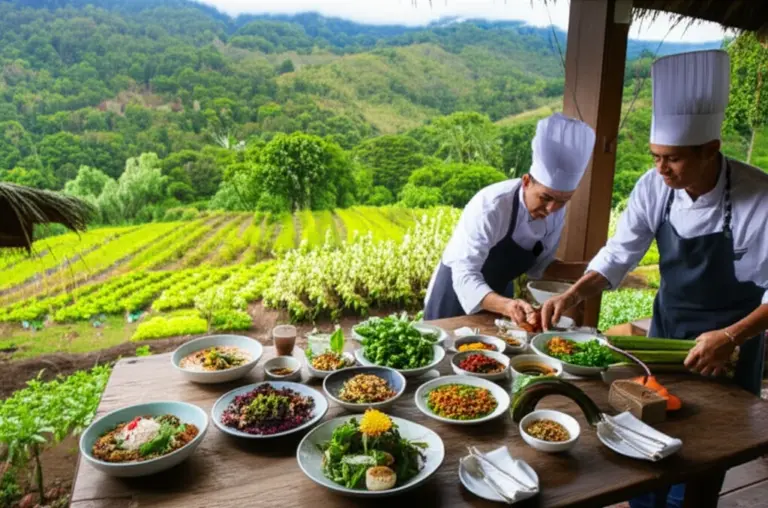
The unique geographical and cultural landscape of Northern Thailand provides the perfect incubator for farm-to-table dining. Unlike the coastal regions, Chiang Mai has deep historical ties to agriculture, supported by fertile soil and a community eager to preserve traditional farming methods. This proximity allows chefs to forge direct, transparent relationships with growers, drastically reducing the supply chain and ensuring unparalleled freshness.
Understanding True Sustainability in Northern Thai Dining
Sustainability here goes beyond buzzwords. It encompasses ethical labor practices, water conservation, and biodiversity promotion. Leading establishments in 2025 are actively involved in regenerative agriculture projects, often featuring ingredients that are heirloom varieties unique to the region. Look for menus that highlight the specific farm or cooperative providing the ingredients—this is the hallmark of true expertise and commitment.
**Expert Tip:** When booking, ask the restaurant staff which local farms they partner with most frequently. Their enthusiasm and detailed knowledge are excellent indicators of E-E-A-T in action.
Curated List: The Top Farm-to-Table Destinations for 2025
We have vetted the leading venues proving that ethical sourcing doesn’t mean sacrificing culinary innovation. These are the must-visit locations for anyone seeking the best organic menus.
Restaurant Spotlight 1: The Gilded Root (Fine Dining Focus)
Known for its modern interpretation of Lanna cuisine, The Gilded Root maintains a strict 50km sourcing radius. They frequently showcase rare mountain herbs and vegetables grown by the Hmong community cooperatives outside the city. Their tasting menu is a narrative of the local landscape.
Restaurant Spotlight 2: Green Sprout Kitchen (Community & Casual)
This vibrant spot focuses heavily on vegetarian and vegan options, utilizing produce from their own small urban farm plot supplemented by local organic rice paddies. It’s the perfect place to experience authentic, accessible farm-to-table dining.
Restaurant Spotlight 3: The Weaver’s Table (Experience Focused)
Located slightly outside the main tourist loop, this venue specializes in dishes cooked using traditional methods over wood fire, often incorporating ingredients harvested that very morning. They are celebrated for their dedication to minimizing food waste.
Beyond the Plate: Connecting with Chiang Mai’s Sustainable Farms
To truly appreciate the quality of **Farm-to-Table Restaurants in Chiang Mai 2025**, travelers should seek out the source. Several local operations now welcome visitors keen to understand the provenance of their food.
Visiting Local Organic Markets
The heart of the local sourcing network beats strongest at the wholesale organic markets. While Mae Hia Market is popular, seek out smaller, specialized morning markets where chefs often shop directly. This is where you see the sheer variety of Northern Thai produce available.
Farm Tours and Culinary Workshops
Several established culinary schools and affiliated farms now offer half-day or full-day programs. These tours often include:
- Guided walks through rice paddies or herb gardens.
- Lessons on traditional Thai preservation techniques.
- Cooking classes using ingredients harvested moments before.
These experiences offer unparalleled insight into the labor and care required to sustain this ethical dining ecosystem. Book specialized agricultural immersion experiences here for 2025.
The menu language can sometimes be confusing. To ensure you are supporting genuine sustainability, look for these indicators:
| Indicator | What It Means |
|---|---|
| Specific Farm Names | Direct sourcing, high transparency. |
| Seasonal Specialties | Commitment to local growing cycles, not imports. |
| Heirloom/Rare Produce | Support for agricultural diversity. |
| Zero-Waste Dishes | Creative utilization of the entire ingredient. |
How to Experience Farm-to-Table Authentically (Tips for Travelers)
Dining ethically in a new city requires a little preparation. To maximize your enjoyment of the best **Farm-to-Table Restaurants in Chiang Mai 2025**, follow these simple steps:
- Book Ahead: Due to small, rotating ingredient supplies, the best venues often require reservations, sometimes days in advance.
- Be Open to Surprise: Accept that the dish you read about online might be swapped for something superior based on the morning’s harvest. Trust the chef’s expertise.
- Inquire About Water: High-end establishments often invest in advanced filtration systems, reducing reliance on plastic bottles. Ask if they offer filtered water refills.
- Consider Lunch: Many farm-to-table spots offer less expensive, equally fresh lunch sets that provide a great introduction to their ethos.
คำถามที่พบบ่อย (FAQ)
This section addresses common traveler queries regarding ethical dining in Chiang Mai.
What is the main difference between ‘organic’ and ‘farm-to-table’ in Chiang Mai?
Organic refers strictly to the farming methods (no synthetic pesticides/fertilizers). Farm-to-table refers to the supply chain—the direct relationship between the grower and the restaurant, emphasizing freshness and traceability, regardless of formal organic certification.
Are farm-to-table restaurants in Chiang Mai significantly more expensive?
While fine-dining establishments command higher prices due to sourcing costs and culinary skill, many casual spots offer excellent value. You are paying for ingredient quality and supporting local economies, which often justifies a slightly higher price point than mass-market dining.
Do these restaurants cater well to vegan diets?
Yes, Chiang Mai has a strong vegan community. Restaurants dedicated to local sourcing naturally excel at vegetable-forward dishes. Most high-quality farm-to-table venues can easily accommodate vegan requests, often featuring innovative dishes based on local mushrooms, tofu, and seasonal greens.
How far in advance should I book a reservation for top venues in 2025?
For highly acclaimed spots, especially those offering set tasting menus, booking 1 to 2 weeks out is recommended for peak season (November–February). For casual dining, 24–48 hours should suffice.
References
These sources informed our deep dive into Chiang Mai’s sustainable dining trends for 2025.
- Why Chiang Mai Is Thailand’s Farm-to-Table Capital in 2025: Local Food Culture, Organic Farming Trends, and Sustainability Practices
- Top Farm-to-Table Restaurants and Organic Menus in Chiang Mai (2025): Reviews, Price Ranges, Dietary Options, and Booking Tips
- How Chiang Mai Farms Supply Restaurants: Seasonal Produce, Organic Certification, On-site Gardens, and Farmer Partnerships