Eco-Lodges in Chiang Mai 2025: The Ultimate Guide to Sustainable Stays and Responsible Travel
- Eco-Lodges in Chiang Mai 2025: The Ultimate Guide to Sustainable Stays and Responsible Travel
Chiang Mai, the cultural heart of Northern Thailand, has long captivated travelers with its ancient temples, vibrant markets, and lush mountainous landscapes. As global consciousness shifts towards ethical travel, the demand for sustainable accommodation has soared. If you are planning your journey for the next year, finding the right Eco-Lodges in Chiang Mai 2025 is crucial for ensuring your trip leaves a positive footprint. This comprehensive guide provides an expert look at the best sustainable stays, helping you navigate responsible tourism and enjoy the beauty of the Lanna Kingdom ethically.
Why Choose Sustainable Stays in Chiang Mai?
The region around Chiang Mai faces significant environmental challenges, including deforestation, water scarcity, and the impact of mass tourism. By opting for a certified eco-lodge, travelers directly contribute to models that aim to mitigate these issues, ensuring that the natural beauty and cultural heritage remain intact for future generations.
The Rise of Responsible Tourism in Northern Thailand
In recent years, the Thai government and private sector have increasingly promoted ‘Green Tourism.’ This movement emphasizes authentic experiences over volume, prioritizing quality interactions with local communities and nature. Many of the top Eco-Lodges in Chiang Mai 2025 are pioneers in this area, offering guests immersive experiences like organic farming workshops, ethical elephant encounters, and hill tribe cultural exchanges.
The Environmental and Social Impact
| Focus Area | Eco-Lodge Practice | Impact |
|---|---|---|
| Water Use | Greywater recycling, rainwater harvesting. | Reduces strain on local water sources. |
| Waste Management | Zero-waste policies, composting, plastic elimination. | Minimizes landfill contribution and pollution. |
| Community | Hiring local staff, purchasing produce from nearby farms. | Ensures economic benefits remain within the community. |
Decoding the “Eco-Lodge”: What to Look For
Not all accommodations labeled ‘eco’ truly adhere to high sustainability standards. Savvy travelers should look beyond marketing slogans and examine verifiable practices.
Certification and Green Practices
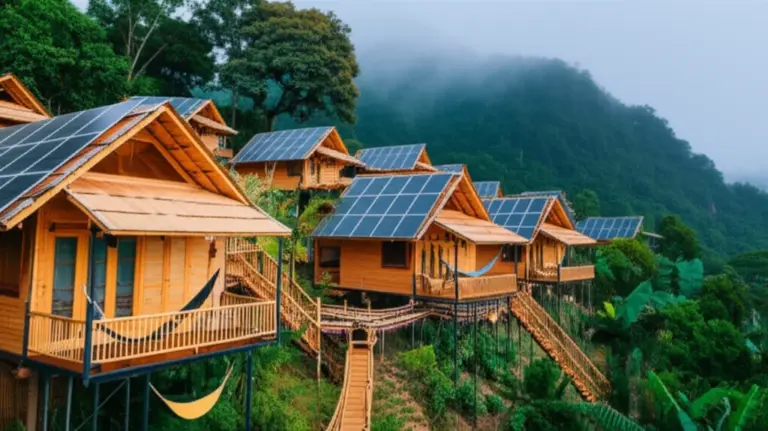
Look for official certifications from internationally recognized bodies such as Green Globe or local Thai initiatives. Key indicators of a genuine eco-lodge include reliance on renewable energy (solar panels), use of locally sourced and biodegradable construction materials, and transparent reporting on their energy consumption.
Community Engagement and Fair Trade
The best sustainable stays go beyond environmentalism to embrace social responsibility. They often operate in partnership with local hill tribes, ensuring fair wages, cultural preservation, and educational opportunities. Before booking, check if the lodge explicitly states its commitment to ethical employment and cultural respect.
Top Eco-Lodges in Chiang Mai for 2025 (The Must-Stay List)
Based on projected sustainability scores and traveler reviews, here are three exemplary lodges setting the standard for 2025.
Lodge A: The Rustic Luxury Retreat (Nature Focus)
This high-end option combines luxurious comfort with absolute minimal impact. Built entirely from reclaimed local wood and bamboo, the lodge features natural cooling systems and serves 100% farm-to-table cuisine grown on-site. Their commitment to ethical wildlife interaction is paramount, often partnering with legitimate elephant sanctuary programs. They also offer workshops on traditional Northern Thai weaving.
Lodge B: The Community Immersion Stay (Cultural Focus)
Located deep in the hills, this lodge is an exemplary model of community-based tourism. It is run collaboratively with a local Karen village, providing guests with an intimate look into traditional life while ensuring 70% of profits are reinvested into community projects, such as schooling and infrastructure development. Accommodation is simple, comfortable, and built using traditional, low-impact methods.
Lodge C: The Urban Green Oasis (Budget Focus)
For travelers who prefer to stay closer to the city, this lodge proves that sustainability isn’t limited to remote areas. This establishment focuses heavily on water conservation, using low-flow fixtures and a sophisticated filtration system. They encourage guests to use the city’s excellent public transport system and provide free bicycles. They are a zero-waste advocate, offering filtered water refills instead of single-use plastic bottles.
Practical Tips for Responsible Travel in Chiang Mai
Your choice of accommodation is just the first step. True responsible travel involves every decision you make while exploring the region.
Supporting Local Economies
Instead of buying mass-produced souvenirs, seek out local artisan cooperatives and markets like Warorot Market. Purchase handicrafts directly from the producers. When dining, prioritize small, family-run restaurants over large international chains. This ensures your money cycles back into the local community.
Cultural Sensitivity and Etiquette
Respecting local culture is paramount. Always dress modestly when visiting temples (covering shoulders and knees). Learn a few basic Thai phrases (like sawasdee krap/ka) and remember that public displays of affection are generally frowned upon. Be mindful of ethical practices, particularly concerning animal tourism—always choose observation over interaction, especially with elephants.
Planning Your 2025 Sustainable Trip
To visualize the key area for many of Chiang Mai’s nature-focused activities, here is a map showing the general vicinity of Doi Suthep, a central point for many eco-friendly excursions.
Incorporating sustainability into your travel doesn’t mean sacrificing comfort; it means enhancing the authenticity and meaning of your journey. By choosing verified Eco-Lodges in Chiang Mai 2025 and practicing responsible behavior, you help ensure that this jewel of Northern Thailand remains vibrant and healthy for all.
คำถามที่พบบ่อย (FAQ)
Q: What is the difference between an eco-lodge and a green hotel?
A: While both aim for sustainability, an eco-lodge is typically built specifically for minimal environmental impact, often using local, natural materials and situated in a remote, protected natural area. A green hotel is usually a conventional hotel that has implemented sustainable practices (like energy saving, recycling) but may not have the same deep commitment to conservation or community immersion as a true eco-lodge.
Q: Are Eco-Lodges in Chiang Mai more expensive than regular hotels?
A: Not necessarily. While some high-end eco-lodges offering unique experiences might be premium, many community-based stays are comparable to mid-range hotels. The cost difference often reflects the investment in sustainable infrastructure (solar, water recycling) and fair wages for local staff.
Q: How can I ensure the elephant sanctuary I visit is truly ethical?
A: Look for sanctuaries that strictly prohibit riding, bathing with, or any forced interaction with elephants. Ethical sanctuaries focus solely on observation, allowing the elephants to roam freely in a natural environment. They should be transparent about their funding and rescue operations. Research reviews and certifications before booking.
Q: What essential items should I pack for a sustainable stay?
A: Pack reusable items! Bring a water bottle, a reusable coffee cup, solid toiletries (shampoo bars) to avoid plastic, and a reusable shopping bag. Many eco-lodges do not provide single-use plastics, so being prepared is key.
References
Tourism Authority of Thailand (TAT) Official Website
Green Globe Certification Standards
- Why Choose an Eco-Lodge in Chiang Mai? Benefits, Sustainability Standards, and How to Spot Truly Green Properties
- Top Eco-Lodges Near Chiang Mai: Detailed Reviews, Pricing, Best Seasons, and Booking Tips for 2025
- What to Expect: Eco-Lodge Amenities, Local Community Programs, Ethical Wildlife Policies, and Carbon Footprint Practices