What to Expect: Eco-Lodge Amenities, Local Community Programs, Ethical Wildlife Policies, and Carbon Footprint Practices
- What to Expect: Eco-Lodge Amenities, Local Community Programs, Ethical Wildlife Policies, and Carbon Footprint Practices
- The Rise of Sustainable Tourism in Thailand
- Essential Eco-Lodge Amenities and Design (Focus on Comfort and Sustainability)
- Deep Dive into Local Community Programs (Thailand Eco-Lodge Practices)
- Navigating Ethical Wildlife Policies
- Measuring and Minimizing the Carbon Footprint
- Planning Your Responsible Thai Getaway
- คำถามที่พบบ่อย (FAQ)
The Rise of Sustainable Tourism in Thailand
Thailand, the Land of Smiles, is increasingly embracing sustainable tourism to protect its stunning natural beauty and rich cultural heritage. For the conscious traveler, understanding what constitutes a truly responsible stay is crucial. This guide details what you should look for regarding Thailand Eco-Lodge Practices, moving beyond simple greenwashing to genuine commitment. The expectations are high: from low-impact architecture to transparent carbon policies, sustainable travel here means enriching your experience while preserving the environment for future generations.
Essential Eco-Lodge Amenities and Design (Focus on Comfort and Sustainability)
A true eco-lodge in Thailand balances rustic charm with sophisticated, sustainable infrastructure. You won’t just find bamboo huts; you’ll find thoughtful design that minimizes resource consumption without sacrificing comfort. These establishments prioritize locally sourced materials, ensuring that the construction process itself supports regional economies and reduces transport emissions.
Sustainable Architecture and Materials
Waste Management and Water Conservation
Water conservation is paramount, especially in island or drought-prone regions. Expect amenities like low-flow fixtures, composting toilets (in more remote settings), and sophisticated greywater recycling systems used for irrigation. Furthermore, responsible lodges commit to eliminating single-use plastics entirely, offering filtered water stations instead of bottled water.
To better visualize the dedication required for effective sustainable tourism, consider the practical examples set by leading Thai operators.
Deep Dive into Local Community Programs (Thailand Eco-Lodge Practices)
The core of responsible tourism lies in ensuring that the benefits flow directly to the host communities. Thailand Eco-Lodge Practices are deeply intertwined with community welfare, aiming to empower local residents rather than displacing them.
Employment and Fair Wages
Transparency in employment is key. Genuine eco-lodges hire staff predominantly from nearby villages, offering fair wages, comprehensive training, and opportunities for advancement. This contrasts sharply with large, foreign-owned resorts that may import management staff. Ask about staff retention rates and management structure to gauge commitment.
| Community Benefit | What to Look For |
|---|---|
| Local Sourcing | Menu items and ingredients sourced within a 50km radius. |
| Skill Transfer | Workshops or classes taught by local artisans and elders. |
| Direct Financial Contribution | A percentage of booking fees dedicated to local infrastructure or education funds. |
Cultural Preservation and Respect
Eco-lodges often act as custodians of local culture. They facilitate respectful cultural exchanges, ensuring that traditional ceremonies, language, and crafts are shared authentically and not commodified or exploited. Travelers should participate only in programs that are clearly managed and approved by community leaders.
Thailand’s diverse wildlife is a major draw, but ethical interaction is non-negotiable. Travelers must be vigilant against practices that exploit animals for entertainment.
The ‘No Ride, No Touch’ Standard
The gold standard for elephant tourism, for example, is strictly hands-off. Reputable eco-lodges partner only with genuine sanctuaries where elephants roam freely and interact naturally. Any establishment offering riding, bathing with tourists, or close physical contact should be avoided, as these activities often mask cruel training practices.
Supporting Genuine Conservation Efforts
Beyond elephants, ethical policies extend to marine life and primates. Look for lodges that actively fund or participate in local conservation research, habitat restoration projects, or anti-poaching initiatives. They should educate guests on local flora and fauna, encouraging passive observation rather than direct interaction.
Measuring and Minimizing the Carbon Footprint
Addressing climate change requires measurable action. Leading Thai eco-lodges are transparent about their operational carbon footprint and actively work to reduce it.
Energy Efficiency and Renewable Sources
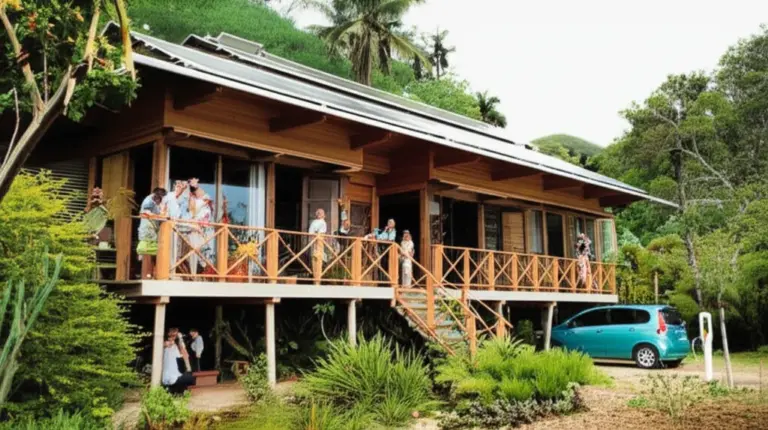
Many sustainable properties utilize solar panels for electricity and hot water generation. Energy audits are performed regularly, and guests are often encouraged through subtle reminders (like key card switches or smart lighting) to conserve power. Lodges that generate most of their energy needs on-site demonstrate a higher level of commitment.
Transparent Reporting and Offset Programs
While reduction is better than offsetting, some lodges offer guests the opportunity to neutralize the carbon emissions associated with their stay (or even their flight) through certified offset programs. Ensure the lodge provides clear documentation on where these funds go—ideally local reforestation or renewable energy projects within Thailand.
Planning Your Responsible Thai Getaway
Choosing an eco-lodge in Thailand is a proactive decision to support a better model of tourism. By prioritizing establishments that excel in amenities, community engagement, ethical wildlife care, and carbon management, you ensure your trip contributes positively to the Land of Smiles. Always look for third-party certifications (like Green Globe or Travelife) as validation of genuine Thailand Eco-Lodge Practices.
คำถามที่พบบ่อย (FAQ)
Q: What is the primary focus of ethical wildlife policies in Thai eco-lodges?
A: The primary focus is non-exploitation, adhering to the ‘No Ride, No Touch’ standard, especially regarding elephants. Reputable lodges prioritize passive observation and support genuine conservation and rehabilitation centers.
Q: How do eco-lodges contribute to local Thai communities?
A: They contribute by ensuring local employment at fair wages, sourcing food and materials locally, and facilitating authentic, non-exploitative cultural exchanges managed by community elders.
Q: What amenities should I look for to confirm genuine sustainability?
A: Look for amenities such as low-flow water fixtures, greywater recycling, solar power integration, the complete absence of single-use plastics, and structures built with reclaimed or local sustainable materials.
Q: Are carbon offset programs mandatory for eco-lodges in Thailand?
A: No, carbon offset programs are generally voluntary. However, the best eco-lodges will prioritize reducing their emissions first (through energy efficiency) and then offer transparent, certified offsetting options for remaining emissions.
References
- Tourism Authority of Thailand (TAT) Official Website
- Green Globe Certification Standards for Tourism
- Resources on Ethical Wildlife Tourism
- Eco-Lodges in Chiang Mai 2025: The Ultimate Guide to Sustainable Stays and Responsible Travel
- Why Choose an Eco-Lodge in Chiang Mai? Benefits, Sustainability Standards, and How to Spot Truly Green Properties
- Top Eco-Lodges Near Chiang Mai: Detailed Reviews, Pricing, Best Seasons, and Booking Tips for 2025