Hot Stone vs Herbal Compress in Chiang Mai: Which Massage Should You Book in 2025?
- Hot Stone vs Herbal Compress in Chiang Mai: Which Massage Should You Book in 2025?
Visiting Chiang Mai often feels like stepping into a sanctuary of wellness. With thousands of spas lining the streets of the Old City and the trendy Nimman district, the sheer volume of options can be overwhelming. Two of the most popular treatments you will encounter are the classic hot stone massage and the traditional Thai herbal compress. If you are debating between a hot stone vs herbal compress in Chiang Mai, you aren’t alone. Both therapies offer deep relaxation, but they approach healing from completely different cultural and physiological angles. This guide will help you understand the nuances of each so you can make the best choice for your body and your budget in 2025.
hot stone vs herbal compress in Chiang Mai: Understanding the Hot Stone Massage
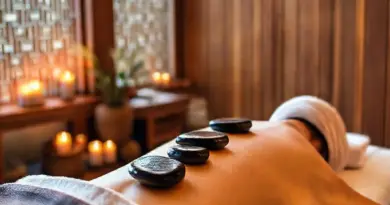
The hot stone massage is a global favorite, often favored by travelers looking for deep muscle relief. In Chiang Mai spas, this treatment typically involves smooth, heated basalt stones placed on key points of your body, such as the spine, palms, or between the toes. The heat from the stones penetrates deeply into the muscle tissue, allowing the therapist to perform a more intense massage without causing discomfort.
Why Choose Hot Stone in Chiang Mai?
The primary allure of the hot stone massage is its ability to melt away tension. If you have spent days hiking up Doi Suthep or navigating the bumpy roads of the Mae Hong Son Loop, your muscles are likely screaming for relief. The stones act as an extension of the therapist’s hands, providing a consistent, soothing heat that increases circulation and promotes deep relaxation. It is particularly effective for those with chronic stiffness, cold sensitivity, or those who find traditional Thai massage slightly too vigorous.
The Traditional Thai Herbal Compress Massage
The herbal compress, or luk pra kob, is a cornerstone of traditional Thai medicine. Unlike the hot stone massage, which is largely mechanical and thermal, the herbal compress is deeply aromatic and therapeutic. The compress consists of a bundle of dried herbs—typically including lemongrass, turmeric, kaffir lime, and tamarind leaves—wrapped in muslin cloth. These bundles are steamed until hot and then pressed rhythmically against the body.
The Therapeutic Benefits of Herbal Compresses
When you opt for a herbal compress in Chiang Mai, you are getting more than just heat. The steam releases the essential oils from the herbs, which are absorbed through your skin and inhaled. This creates a multi-sensory experience that is excellent for reducing inflammation, soothing tired joints, and clearing respiratory pathways. It is a deeply authentic experience that connects you to the rich history of Thai herbalism.
Direct Comparison: Which One Fits Your Needs?
To help you make an informed decision, we have broken down the key differences between these two therapies. While both are excellent for recovery, their applications differ significantly.
| Feature | Hot Stone Massage | Herbal Compress Massage |
|---|---|---|
| Primary Mechanism | Heat conduction via smooth stones | Heat and aromatic herbal absorption |
| Best For | Deep muscle tension and cold sensitivity | Inflammation, joint pain, and congestion |
| Sensory Experience | Soothing, heavy, and grounding | Aromatic, revitalizing, and therapeutic |
| Cultural Origin | Various, adapted globally | Traditional Thai Medicine (TTM) |
| Technique | Gliding and static placement | Rhythmic pressing and rolling |
Checklist: How to Choose the Right Massage
Not sure which one to book? Use this quick checklist to align your physical state with the right treatment.
- Book Hot Stone If: You have tight, knotted muscles from travel, you dislike strong scents, or you are feeling physically cold.
- Book Herbal Compress If: You have sore joints, minor skin inflammation, you want a unique Thai cultural experience, or you enjoy aromatherapy.
- Check Spa Credentials: Regardless of the treatment, ensure the spa uses clean, high-quality stones or fresh, sanitary herbal bundles.
- Communicate: Always tell your therapist if the heat is too intense, whether it is a stone or a compress.
Common Mistakes When Booking Spas in Chiang Mai
One of the biggest mistakes travelers make is assuming all massage prices are equal. In Chiang Mai, you can find a massage for 200 THB or 2,000 THB. When booking a specialized treatment like a hot stone or herbal compress, avoid the absolute cheapest street-side options. These treatments require preparation—heating stones correctly or steaming herbal balls properly—and budget shops may cut corners on safety and hygiene. Always look for mid-to-high-range spas that prioritize cleanliness and professional training.
Conclusion
Whether you choose the hot stone vs herbal compress in Chiang Mai, you are in for a treat. The hot stone massage is your go-to for deep tissue relaxation and muscle recovery, while the herbal compress offers a uniquely Thai aromatic and anti-inflammatory experience. In 2025, Chiang Mai continues to be a world-class destination for wellness, and trying both is often the best advice. Listen to your body—if you need deep structural relief, go for the stones; if you need a holistic boost, choose the herbs.
Frequently Asked Questions (FAQ)
A: No, it should not be painful. The therapist will test the temperature of the compress on their own arm before applying it to you. It should feel warm and comforting, not scalding.
A: Yes! Many high-end spas in Chiang Mai offer ‘signature’ packages that incorporate both techniques, allowing you to enjoy the deep heat of stones and the aromatic benefits of herbs in one session.
A: The herbal compress is often considered superior for jet lag. The aromatic properties of the herbs can help stimulate the senses and reduce the feeling of fatigue, while the warmth helps circulation for stiff joints caused by long flights.