Step-by-Step Alms Ceremony Etiquette: How to Give Offerings, What to Say, and How to Behave During the Process
- Step-by-Step Alms Ceremony Etiquette: How to Give Offerings, What to Say, and How to Behave During the Process
Participating in the daily alms-giving ceremony, known in Thai as Tak Bat (ตักบาตร), is one of the most profound and beautiful cultural experiences a visitor can have in Thailand. This ancient tradition embodies the symbiotic relationship between the lay community and the Buddhist Sangha (monks). To ensure you participate respectfully and correctly, mastering the Step-by-Step Alms Ceremony Etiquette is crucial. This guide will walk you through every aspect, from preparation to departure, ensuring your offering is made with true mindfulness.
Understanding the Significance of Tak Bat
The alms round is not a tourist spectacle; it is the monks’ daily sustenance. Monks follow the Vinaya (monastic code), which strictly forbids them from cooking or soliciting food. They rely entirely on the generosity of the local community for their daily needs. When you give alms, you are not just giving food; you are generating merit (tham bun) for yourself while supporting the monastic life necessary for preserving the Dharma.
When and Where to Participate
The ceremony typically occurs at sunrise, usually between 6:00 AM and 7:30 AM, depending on the location. Early morning is best as the monks begin their rounds promptly. Major cities like Chiang Mai and Luang Prabang (though technically in Laos, the tradition is similar and often sought by Thai tourists) are famous locations, but you can participate in almost any town or city.
Preparation: What to Bring and Wear
Proper preparation shows respect. Follow these guidelines carefully before the monks arrive.
1. Appropriate Attire
Since you are participating in a religious rite, modesty is paramount. This is a key element of general Thai etiquette.
- Shoulders and chests must be covered (no tank tops or spaghetti straps).
- Wear long trousers or skirts that reach below the knee.
- Remove hats and sunglasses before the monks approach.
2. Food Offerings (The Offerings)
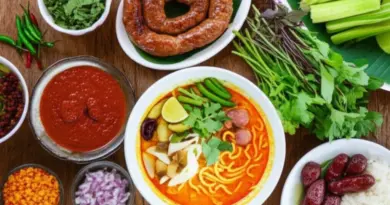
Traditionally, offerings consist of sticky rice (khao niao) and small portions of prepared food. Keep portions small, as monks only eat once per day before noon.
- Sticky Rice: This is the staple. It should be ready to eat and easy to drop into the alms bowl.
- Side Dishes: Small amounts of fruit, dried snacks, or pre-packaged vegetarian items are suitable. Avoid overly spicy, strong-smelling, or alcoholic items.
- Do Not Offer: Water, drinks, non-food items, or anything that requires cooking.
Expert Tip on Food Preparation
If you are unsure what to buy, purchase pre-packaged alms sets from local markets. These are specifically designed to be appropriate for Tak Bat.
Executing the Ceremony: Step-by-Step Alms Ceremony Etiquette
Once you have your offerings ready, observe the correct sequence of actions. This is where understanding Step-by-Step Alms Ceremony Etiquette becomes most important.
- Find Your Position: Kneel or squat on the ground facing the road where the monks will pass. If kneeling is difficult, standing respectfully behind locals who are kneeling is acceptable. Do not stand directly in front of those who are already kneeling.
- Wait Patiently: Wait silently until the monk is directly in front of you. Do not attempt to approach them before they stop.
- Prepare the Offering: Hold the food offerings in your hands, often resting them on a small plate or cloth for easier transfer.
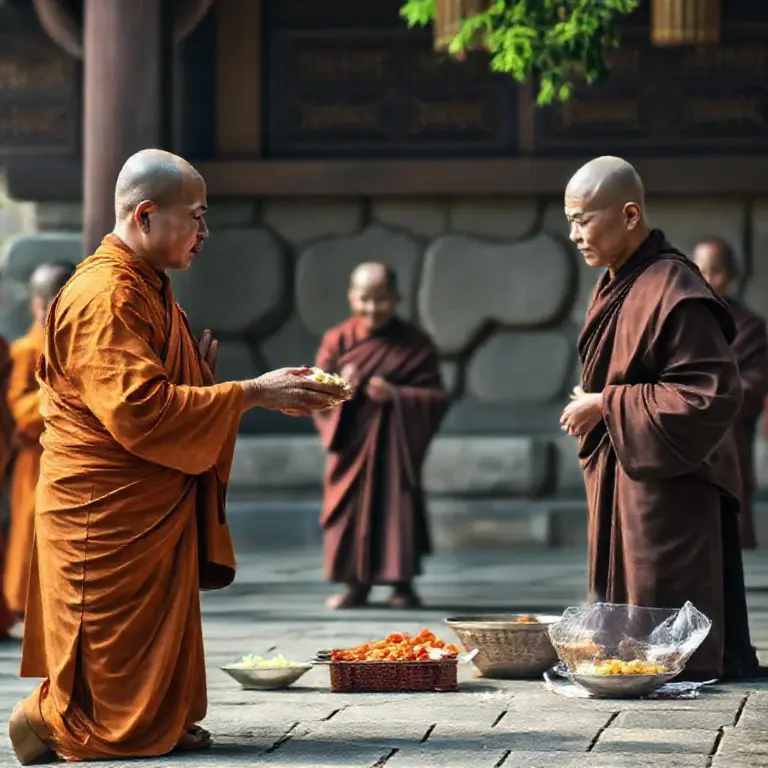
- The Offering Action: As the monk holds out his alms bowl, gently place the food offering directly into the bowl. If offering sticky rice, it is customary to place a small ball of rice directly into the bowl first.
- What to Say (Minimal Interaction): Generally, you do not need to speak Thai. A soft “Khop Khun Krab/Ka” (Thank you) is appropriate after the offering is made. The monk may chant a short blessing (Phon Phon) in Pali or Thai for you.
- Maintain Silence: Do not try to engage the monks in conversation. Their focus is on collecting alms and maintaining mindfulness.
- Observe the Next Monk: Remain respectfully in position until the monk has moved past you before you stand up or adjust your posture.
Behavioral Guidelines: What to Say and What Not to Do
Respectful conduct ensures the spiritual integrity of the ceremony for everyone involved.
Interaction Etiquette
The primary rule is to minimize physical and verbal contact, especially for female travelers.
- For All: Never touch a monk, their robes, or their alms bowl directly.
- For Women: Women should never hand an offering directly to a monk. Place the offering on a cloth or mat near the monk, or hand it to a male companion to pass it on, or place it directly into the bowl if the monk extends it toward you, ensuring no skin-to-skin contact.
- What to Say: If you wish to offer a blessing in Thai, the most common phrase after giving is “Yum Gae” (May you be happy/blessed), though silence is perfectly acceptable.
Photography Rules
Photography is a common point of cultural friction. Always prioritize respect over the perfect shot.
| Action | Guideline |
|---|---|
| Before the Ceremony | Ask permission if you wish to photograph locals preparing their food. |
| During the Offering | Keep a significant distance. Do not use flash. Avoid walking in front of the monks or the line of participants. |
| Video Recording | Generally discouraged unless you are far away and unobtrusive. Treat it as a sacred moment, not a photo opportunity. |
For a comprehensive visual guide to the entire process, this video offers excellent visual context on the proper execution of the alms offering:
What Happens to the Alms After Collection?
Once the procession is complete, the monks return to the temple (Wat). The food offerings are sorted. The monks will consume what they need for their single daily meal before noon. Any excess food is typically given to the temple caretakers, staff, or shared with the local community, ensuring nothing goes to waste. This cycle reinforces the community support structure.
Summary of Key Etiquette Points
To summarize the essential Step-by-Step Alms Ceremony Etiquette for your visit:
| Do | Don’t |
|---|---|
| Dress modestly (shoulders/knees covered). | Touch the monk or his bowl. |
| Kneel or squat respectfully. | Talk or take close-up photos during the offering. |
| Place food gently into the bowl. | Offer drinks or food that requires cooking. |
| Be silent and patient. | Block the path of the monks. |
Participating in Tak Bat is a deeply moving experience that connects you directly to the heart of Thai Buddhist tradition. By adhering to these guidelines, you ensure that your act of giving is one of genuine respect and mindfulness.
คำถามที่พบบ่อย (FAQ)
No, you should never buy the food directly from the monks. This defeats the purpose of the ceremony, as monks cannot ask for money or trade. Purchase your offerings from local vendors near the ceremony location beforehand.
Traditionally, the alms are strictly food. Offering money is generally discouraged during the morning street ceremony. If you wish to donate money, it is better to donate directly to the temple office later in the day.
No, fluency is not required. Silence and respectful actions are valued far more than words. A simple gesture, or perhaps “Khop Khun Krab/Ka” (Thank you), is sufficient.
Fruit is acceptable as it requires no preparation. However, drinks (water, juice, tea) should generally not be offered during the morning alms round, as monks are only permitted to consume solid food before noon.