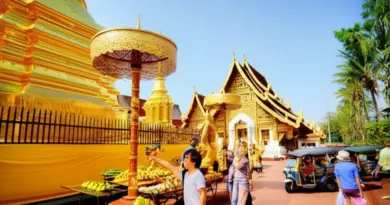
Wiang Kum Kam 2025: A Cycling Route to Chiang Mai’s Ancient City
Exploring Wiang Kum Kam 2025 by bicycle offers a unique window into the past, allowing travelers to weave through quiet village streets and ancient temple ruins. Often overshadowed by the bustling Old City of Chiang Mai, this subterranean archaeological site provides a serene and historically rich escape. Whether you are an avid cyclist or a casual visitor looking for a peaceful afternoon, this route provides the perfect balance of exercise and cultural immersion.
Wiang Kum Kam 2025: The History and Significance of Wiang Kum Kam
Before setting off on your bike, it is helpful to understand what makes Wiang Kum Kam special. Established in 1286 by King Mangrai, this site served as the first capital of the Lanna Kingdom before the founding of Chiang Mai. Due to frequent flooding from the Ping River, the city was eventually abandoned and buried under sediment for centuries, only to be rediscovered and excavated in the 1980s. Today, it stands as a fascinating open-air museum where you can see temple foundations and chedis that have been partially restored or preserved in their discovered state.
Why Choose Cycling for Your Visit?
The layout of Wiang Kum Kam is sprawling, with ruins scattered across a relatively wide area. Cycling is arguably the most efficient and enjoyable way to explore the site for several reasons:
- Flexibility: You can stop at any ruin that catches your eye without worrying about parking a car or waiting for a tram.
- Accessibility: The roads are generally flat, paved, and quiet, making them accessible for all skill levels.
- Immersion: Moving at a slower pace allows you to appreciate the local village atmosphere, the lush greenery, and the daily life of the residents living among the ruins.
| Feature | Cycling | Guided Tram | Walking |
|---|---|---|---|
| Flexibility | High | Low | Medium |
| Pace | Self-paced | Fixed | Slow |
| Cost | Low (Rental) | Medium | Free |
| Accessibility | Easy | Very Easy | Limited distance |
Planning Your Route: A Practical Checklist
Preparation is key to a successful cycling trip. Here is a checklist to ensure you have a smooth journey through the ancient city:
- Rent a sturdy bike: Many rental shops in Chiang Mai offer city bikes or hybrids perfect for this terrain.
- Hydration: Bring plenty of water. While there are shops, shade can be limited near the ruins.
- Sun protection: Apply high-SPF sunscreen and consider wearing a hat, as much of the route is exposed to direct sunlight.
- Navigation: Download an offline map or use a GPS app to mark key temples like Wat Chedi Liam and Wat Chang Kham.
- Modest clothing: Remember that these are sacred sites. Keep your shoulders and knees covered.
Key Sites to Include on Your Itinerary
When planning your Wiang Kum Kam 2025 adventure, ensure you don’t miss these iconic stops. The site is vast, but focusing on the main cluster will give you a comprehensive experience.
Wat Chedi Liam
Often considered the crown jewel of the area, this temple features a distinct stepped pyramid chedi reminiscent of the Hariphunchai style in Lamphun. It is one of the few temples that remained in use for a long period.
Wat Chang Kham
Known as the “Temple of the Elephant,” this site is famous for the elephant sculptures that appear to be supporting the base of the chedi, a common motif in Lanna architecture.
Common Mistakes to Avoid
To get the most out of your visit, avoid these common pitfalls. First, do not try to visit during the peak heat of the day (12:00 PM to 3:00 PM); the heat in Northern Thailand can be intense, especially when cycling. Second, do not assume all ruins are clearly marked. Some sites are tucked away behind local houses, so be respectful of private property while exploring. Finally, don’t rush. The charm of Wiang Kum Kam lies in its quiet atmosphere; take the time to sit and reflect at the sites rather than just checking them off a list.
Conclusion
Cycling through Wiang Kum Kam in 2025 remains one of the most rewarding ways to connect with Northern Thailand’s deep history. By avoiding the tourist crowds of the inner city and embracing the slower, more deliberate pace of a bike ride, you gain a deeper appreciation for the Lanna Kingdom’s humble beginnings. Pack your water, respect the local customs, and enjoy the ride through time.
Frequently Asked Questions (FAQ)
A: Access to the area itself is generally free, but some specific temple sites may require a small maintenance fee for upkeep.
A: A leisurely cycle through the main ruins usually takes about 2 to 3 hours, depending on how long you spend at each temple.
A: Yes, there are several rental kiosks near the main information center at Wiang Kum Kam where you can pick up bicycles for a nominal daily fee.