Chiang Mai 2025: The Complete Guide to Ethical Elephant Sanctuaries, Responsible Visits, and How to Choose the Best One
- Chiang Mai 2025: The Complete Guide to Ethical Elephant Sanctuaries, Responsible Visits, and How to Choose the Best One
- The Evolution of Elephant Tourism in Chiang Mai
- What Defines a Truly Ethical Elephant Sanctuary?
- Top Ethical Elephant Sanctuaries in Chiang Mai for 2025
- Planning Your Responsible Visit: Tips for 2025
- Beyond the Sanctuary: Supporting Elephant Conservation
- คำถามที่พบบ่อย (FAQ)
- What is the average cost of visiting an ethical elephant sanctuary in Chiang Mai?
- Can I interact with the elephants at these sanctuaries?
- How far are these sanctuaries from Chiang Mai city?
- Is it safe to visit an ethical elephant sanctuary?
Chiang Mai, the cultural heart of Northern Thailand, is renowned for its lush landscapes, ancient temples, and, significantly, its elephants. For many visitors, an encounter with these magnificent creatures is a highlight of their trip. However, as global awareness around animal welfare grows, travelers are increasingly seeking out Chiang Mai ethical elephant sanctuaries. This comprehensive guide for 2025 will navigate you through the evolving landscape of elephant tourism, helping you make responsible choices that prioritize the well-being of these gentle giants.
The Evolution of Elephant Tourism in Chiang Mai
For decades, elephant tourism in Thailand often involved riding, performances, and close-contact activities that, while popular, raised significant concerns about animal welfare. Elephants were often subjected to harsh training methods and unnatural living conditions. However, a powerful shift has occurred. Driven by increased public awareness and the tireless efforts of conservationists, many traditional camps have transformed into genuine sanctuaries dedicated to the rehabilitation and protection of rescued elephants. This positive evolution demonstrates how responsible tourism choices create ripple effects throughout entire industries. [13]
The transition from exploitative practices to ethical observation-based experiences is crucial. True ethical sanctuaries prioritize the elephants’ well-being above all else, offering them vast spaces to roam, socialize, and exhibit natural behaviors free from forced interaction. This movement ensures that your visit contributes positively to the elephants’ lives and supports a sustainable future for these iconic animals. [12, 13]
What Defines a Truly Ethical Elephant Sanctuary?
Identifying a truly ethical elephant sanctuary amidst various marketing claims can be challenging. Here’s a checklist to help you discern genuine sanctuaries from those that are merely ‘greenwashing’ their operations:
- No Riding: This is the golden rule. Elephant backs are not designed for carrying humans, and the training involved is often abusive.
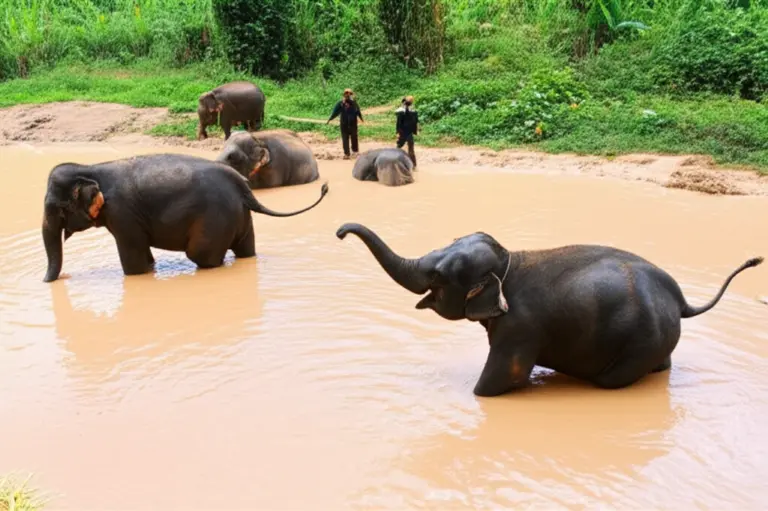
- No Forced Bathing or Performances: While some sanctuaries may offer opportunities to observe elephants bathing from a distance, direct participation in bathing or any form of performance is generally a red flag. Truly ethical places allow elephants to bathe when and if they choose. [4, 16]
- Observation-Based Interactions: The focus should be on observing elephants in their natural habitat, allowing them to roam freely and interact with each other. This often involves walking alongside them or watching from designated viewing areas. [13]
- Rescue and Rehabilitation Focus: Ethical sanctuaries are dedicated to rescuing elephants from exploitative situations (logging, circuses, riding camps) and providing them with a safe, natural environment for rehabilitation. [6]
- Spacious and Natural Environment: Elephants need vast areas to thrive. Look for sanctuaries that offer large, natural enclosures, not small pens.
- Educational Programs: A good sanctuary will educate visitors about elephant behavior, conservation challenges, and responsible tourism.
- Support for Local Mahouts and Communities: Many ethical sanctuaries work with traditional mahouts, providing them with sustainable livelihoods while ensuring humane elephant care. [12]
Top Ethical Elephant Sanctuaries in Chiang Mai for 2025
When searching for Chiang Mai ethical elephant sanctuaries, certain names consistently emerge as leaders in responsible tourism:
Elephant Nature Park (ENP)
Often considered the gold standard, Elephant Nature Park pioneered ethical elephant tourism in Thailand. Founded by Lek Chailert, ENP is a sanctuary for over 100 rescued elephants, many of whom have suffered from abuse in the tourism and logging industries. Visitors engage in observation-based interactions, learning about the elephants’ individual stories and the park’s extensive rehabilitation efforts. They offer half-day, full-day, and even overnight programs where you can witness elephants living a more natural life in an environment of respect, trust, and kindness. [6, 17]
ChangChill
ChangChill is another highly respected sanctuary that transitioned from traditional practices to a model of high-welfare wildlife tourism. With assistance from organizations like World Animal Protection, ChangChill focuses on allowing its elephants to live as naturally as possible, with minimal human interference. Visitors observe the elephants from a distance, appreciating their natural behaviors without direct contact. [9]
Burm and Emily’s Elephant Sanctuary (BEES)
Located a couple of hours from Chiang Mai, BEES provides a safe and natural environment for elephants to live freely. They emphasize a hands-off approach, focusing on education and allowing visitors to learn about elephant behavior and conservation efforts. BEES is run by individuals genuinely committed to elephant welfare and community support. [10]
Elephant Jungle Sanctuary (EJS)
Elephant Jungle Sanctuary is a popular choice offering no-riding experiences. While some EJS locations may still involve activities like mud spas and river showers with elephants, they generally focus on providing a more humane environment than traditional camps. It’s essential to research specific EJS locations, as practices can vary, and some might still involve closer contact than stricter observation-only sanctuaries. [14]
Planning Your Responsible Visit: Tips for 2025
To ensure your visit is truly beneficial for the elephants and aligns with ethical tourism principles, consider these tips:
- Research Thoroughly: Don’t just rely on pretty pictures. Read recent reviews, check their website for their welfare policy, and look for affiliations with reputable animal welfare organizations like World Animal Protection. [10, 15]
- Book Directly: Whenever possible, book directly with the sanctuary. This ensures more of your money goes directly to elephant care and conservation, rather than third-party commissions.
- Understand the Cost: Ethical sanctuaries often have higher prices than traditional camps because they invest heavily in land, veterinary care, and food for the elephants, who consume hundreds of kilograms of food daily. View it as a donation to their well-being.
- What to Expect: Be prepared for an experience centered on observation and learning. You’ll likely walk through natural environments, learn about elephant behavior, and perhaps assist in preparing food or planting trees for their habitat.
- Visitor Etiquette: Always follow the guides’ instructions. Maintain a respectful distance, keep noise levels down, and avoid sudden movements to prevent startling the elephants. Remember, these are wild animals, even if rehabilitated.
- What to Bring: Pack light, comfortable clothing suitable for hot weather, sturdy walking shoes, a hat, sunscreen, insect repellent, and a reusable water bottle. Many sanctuaries provide lunch and water.
Beyond the Sanctuary: Supporting Elephant Conservation
Your responsible visit is a powerful step, but there are other ways to contribute to elephant conservation in Thailand:
- Donate: If you can’t visit, consider donating directly to reputable sanctuaries or conservation organizations.
- Volunteer: Many sanctuaries offer long-term volunteer programs, providing an immersive experience and direct contribution to elephant care.
- Spread Awareness: Share your ethical experiences and educate others about the importance of responsible elephant tourism. Your voice and choices help create a more compassionate and sustainable future. [13]
- Support Local Communities: Many ethical sanctuaries are intertwined with local communities, providing economic opportunities and fostering a shared commitment to conservation.
คำถามที่พบบ่อย (FAQ)
References
- we visited a TRULY ETHICAL Elephant Sanctuary | Elephant Nature Park Chiang Mai Thailand – YouTube
- I Tried Thailand’s ‘Most Ethical’ Elephant Sanctuary Honest Review – YouTube
- Ethical Elephant Tourism in Thailand: Inside ChangChill Sanctuary – YouTube
- 9 Must-Visit Ethical Elephant Sanctuaries in Thailand 2025 – Veggies Abroad
- Elephants in Thailand: When ‘responsible’ tourism could destroy a tradition – Thai Poi
- Ethical Elephant Experiences In Thailand For 2025 – Elephant Hills
- Elephant Sanctuary Chiang Mai: 4 Ethical Havens For 2025 – Byklo Blog
- Elephant Jungle Sanctuary Chiang Mai Experience – Klook Travel
- Visiting a Chiang Mai Elephant Sanctuary, in Thailand – Reflections Enroute
- Ethics in Thailand’s elephant tourism? – Bangkok Post
- Elephant Nature Park – Chiang Mai Elephant Nature Park
- FAQ’s – Elephant Nature Park Booking System
- Why ethical elephant sanctuaries matter in Chiang Mai — standards, certifications, and how humane care differs from entertainment-focused camps
- Top ethical elephant sanctuaries near Chiang Mai in 2025 — profiles, what to expect, prices, booking tips, and traveler reviews
- How to prepare for a sanctuary visit — responsible tour operators, what to wear and pack, photography rules, accessibility, and safety for families