Why ethical elephant sanctuaries matter in Chiang Mai — standards, certifications, and how humane care differs from entertainment-focused camps
- Why ethical elephant sanctuaries matter in Chiang Mai — standards, certifications, and how humane care differs from entertainment-focused camps
- The Rise of Ethical Elephant Sanctuaries in Chiang Mai
- What Defines an Ethical Elephant Sanctuary?
- Humane Care vs. Entertainment: A Stark Contrast
- How to Choose a Truly Ethical Sanctuary
- คำถามที่พบบ่อย (FAQ)
- What is the main difference between an ethical elephant sanctuary and an entertainment camp?
- How can I identify a truly ethical elephant sanctuary in Chiang Mai?
- Are elephant rides permitted at ethical sanctuaries?
- What role do certifications play in ensuring humane elephant care?
Chiang Mai, Thailand, is a popular destination for tourists eager to experience its rich culture and natural beauty, including encounters with elephants. However, the true nature of these encounters varies dramatically. Understanding why ethical elephant sanctuaries in Chiang Mai are paramount is crucial for any responsible traveler. These sanctuaries prioritize the welfare of elephants, offering a stark contrast to traditional entertainment-focused camps. This article will delve into the standards and certifications that define humane care and highlight the fundamental differences that make ethical sanctuaries the only choice for conscientious tourism.
The Rise of Ethical Elephant Sanctuaries in Chiang Mai
For decades, elephants in Thailand were exploited for logging and, subsequently, for tourism, particularly through elephant riding and circus-like performances. The transition from logging to tourism after the 1989 logging ban left many elephants and their mahouts (elephant caretakers) without livelihoods, leading to the rise of elephant camps focused on entertainment. Unfortunately, these practices often involved cruel training methods, such as ‘phajaan’ (the ‘crushing’ ritual), and perpetuated a cycle of abuse and unnatural behaviors for these magnificent animals. [19]
A Troubling Past: Elephant Entertainment Camps
In traditional elephant camps, elephants were often subjected to harsh conditions, including long hours of carrying tourists, performing tricks, or being chained for extended periods. These activities are unnatural for elephants and can lead to severe physical and psychological trauma. The goal was to maximize tourist interaction and profit, often at the expense of the elephant’s well-being. [18, 19]
The Shift Towards Humane Care
Growing global awareness about animal welfare has spurred a significant shift in elephant tourism. Organizations and individuals recognized the need for alternative models that prioritize the elephant’s natural behavior and rehabilitation. This led to the establishment of true ethical elephant sanctuaries, particularly prominent in Chiang Mai, where rescued elephants can live free from exploitation. These sanctuaries focus on providing a safe, natural habitat where elephants can simply ‘be elephants.’ [3, 4, 18, 20]
What Defines an Ethical Elephant Sanctuary?
Distinguishing a truly ethical sanctuary from a commercial elephant camp masquerading as one is vital. The term “sanctuary” is not strictly regulated in Thailand, meaning any facility can use it. Therefore, tourists must look beyond the name and understand the core principles of humane elephant care. Ethical elephant sanctuaries in Chiang Mai adhere to specific standards and often seek third-party certifications to demonstrate their commitment to animal welfare. [6, 20]
Key Standards of Humane Care
- No Riding or Performance: This is the most critical indicator. Ethical sanctuaries strictly prohibit elephant riding, painting, or any form of forced performance or tricks. Elephants are not ridden, bathed with tourists, or made to perform for entertainment. [3, 4, 10, 20, 22]
- Hands-Off Policy (mostly): True ethical sanctuaries promote observation from a distance. While some may allow feeding as a controlled interaction, direct physical contact, such as bathing with elephants or extensive petting, is generally discouraged or forbidden to allow elephants to behave naturally. [3, 4, 5, 10, 20]
- Natural Environment and Freedom: Elephants should have ample space to roam, socialize, forage, and express natural behaviors. They are not chained for long periods and live in environments that mimic their natural habitats. [4, 18]
- Rescue and Rehabilitation: Many elephants in sanctuaries are rescued from abusive situations (logging, tourism, begging). The sanctuary’s primary mission is their rehabilitation, providing medical care, nutritious food, and psychological healing. [6, 18]
- Education and Conservation: Ethical sanctuaries educate visitors about elephant biology, behavior, the history of elephant exploitation, and the importance of conservation. They often contribute to broader conservation efforts. [18]
- No Breeding for Commercial Purposes: Responsible sanctuaries do not breed elephants for commercial purposes. Focus is on care for existing rescued elephants.
The Role of Certifications and Accreditations
While self-proclaimed “sanctuaries” can be misleading, legitimate certifications offer a layer of assurance. Organizations like Asian Captive Elephant Standards (ACES) provide an unbiased, science-based process to ensure humane and ethical treatment. [16, 17] The Department of Livestock Development (Thailand) also offers certifications for good practice standards. [9, 14, 15, 16] When choosing a facility, look for these accreditations. Elephant Nature Park (ENP) is widely considered a pioneer and a gold standard for ethical elephant care in Chiang Mai. [3, 4, 6, 7, 10, 13]
Pro Tip for Responsible Tourists:
Always research specific facilities thoroughly. Check their websites, read recent reviews, and look for clear statements on their no-riding and hands-off policies. Be wary of any place that features elephant bathing with tourists or performances in their promotional materials. [3, 20]
Humane Care vs. Entertainment: A Stark Contrast
The difference between a truly ethical sanctuary and an entertainment camp is profound, affecting every aspect of an elephant’s life.
The Daily Life of an Elephant in a Sanctuary
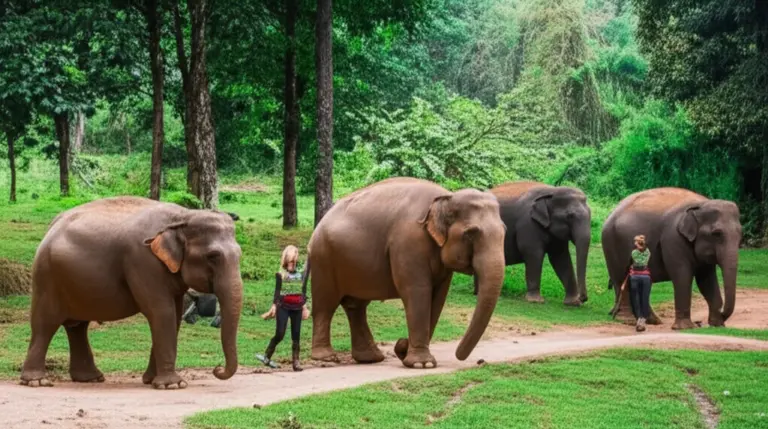
In an ethical sanctuary, an elephant’s day revolves around its natural instincts and needs. They spend their time foraging, socializing with other elephants, playing in mud baths, and resting. Mahouts in these settings act as guardians, ensuring the elephants’ safety and health, rather than as trainers or performers. The focus is on allowing elephants to recover from past traumas and live as close to a wild life as possible. Visitors observe these behaviors from a respectful distance, gaining a genuine appreciation for these animals in their natural state. [5, 10, 18]
The Reality of Entertainment Camps
Conversely, elephants in entertainment camps often endure a life of forced labor and unnatural routines. They may be subjected to long hours of work, inadequate diet, isolation, and physical discipline to ensure compliance. The constant interaction with tourists, often involving direct contact like riding or bathing, can be stressful and unsafe for the elephants. This model perpetuates the cycle of abuse that many rescued elephants experienced before finding refuge. [19, 22]
The video above provides an honest review of a visit to Elephant Nature Park, highlighting the complexities and realities of ethical elephant tourism. [7]
How to Choose a Truly Ethical Sanctuary
For tourists visiting Chiang Mai, making an informed choice is paramount to supporting genuine elephant welfare. Your choices directly impact the future of these magnificent creatures.
Red Flags to Watch Out For
- Elephant Riding: Any facility offering rides is not ethical.
- Elephant Shows/Performances: Elephants performing tricks (e.g., painting, playing musical instruments, kicking balls) indicate forced training.
- Bathing with Tourists: While seemingly harmless, this often stresses elephants and is not a natural behavior. [22]
- Chains or Bullhooks: The presence of chains (beyond necessary short-term medical restraint) or bullhooks (an instrument used to control elephants) indicates abusive practices. [19]
- Unlimited or Forced Interaction: Facilities that promise extensive, direct, or forced interaction with elephants are likely prioritizing profit over welfare. [18]
Supporting Responsible Tourism
By choosing a truly ethical elephant sanctuary, you contribute directly to the welfare of rescued elephants and support a sustainable model of tourism. This not only provides a better life for the elephants but also educates visitors, fostering a deeper respect for wildlife and promoting responsible travel practices worldwide. Your decision helps to diminish the demand for exploitative elephant tourism, paving the way for a more humane future for these magnificent animals. [17, 18, 20]
In conclusion, the choice to visit an ethical elephant sanctuary in Chiang Mai is a powerful one. It’s a commitment to humane care, a rejection of exploitation, and an embrace of responsible tourism that benefits both elephants and the local communities that genuinely care for them. By understanding the standards, recognizing the certifications, and differentiating true sanctuaries from entertainment camps, you can ensure your visit contributes positively to elephant welfare in Thailand.
คำถามที่พบบ่อย (FAQ)
References
- 3 Best Ethical Elephant Sanctuaries In Chiang Mai, Thailand – Cat is Out of the Office
- The 6 BEST Ethical Elephant Sanctuaries In Chiang Mai – Backpackers Wanderlust
- Elephant sanctuaries which we do & don’t support – Responsible Travel
- Find an ethical elephant sanctuary in Thailand – Responsible Thailand
- I Tried Thailand’s ‘Most Ethical’ Elephant Sanctuary Honest Review – YouTube
- we visited a TRULY ETHICAL Elephant Sanctuary | Elephant Nature Park Chiang Mai Thailand – YouTube
- Which is the Best Chiang Mai Elephant Sanctuary? – Thailand Starts Here
- Nongnooch Garden Receives Certification for Good Practice Standards for Elephant Sanctuary – สวน นงนุช
- Accreditation & Awards – Asian Captive Elephant Standards
- ACES Certification: Ensuring Elephant Well-being In Tourism – Krabi Elephant Shelter
- Elephant Sanctuaries vs. Elephant Camps – The Call to Conserve
- How Thailand’s elephant camps are transitioning to a cruelty-free future | The Independent
- How to Choose an Ethical Elephant Camp Experience in Thailand – Covington Travel
- Elephant Sanctuaries In Thailand: Why & How To Choose An Ethical One?
- Chiang Mai 2025: The Complete Guide to Ethical Elephant Sanctuaries, Responsible Visits, and How to Choose the Best One
- Top ethical elephant sanctuaries near Chiang Mai in 2025 — profiles, what to expect, prices, booking tips, and traveler reviews
- How to prepare for a sanctuary visit — responsible tour operators, what to wear and pack, photography rules, accessibility, and safety for families