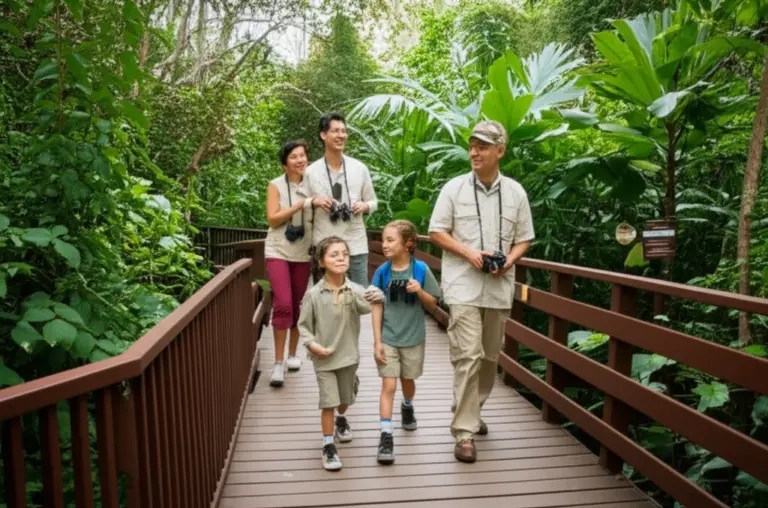
How to prepare for a sanctuary visit — responsible tour operators, what to wear and pack, photography rules, accessibility, and safety for families
- How to prepare for a sanctuary visit — responsible tour operators, what to wear and pack, photography rules, accessibility, and safety for families
- Choosing Responsible Tour Operators and Sanctuaries
- What to Wear and Pack for Your Visit
- Photography Rules and Etiquette
- Accessibility Considerations
- Safety for Families and Children
- Making the Most of Your Ethical Sanctuary Visit
- Conclusion: A Journey of Responsible Tourism
- คำถามที่พบบ่อย (FAQ)
- Q1: How can I tell if an elephant sanctuary in Thailand is truly ethical?
- Q2: What are the most important items to pack for a sanctuary visit in Thailand?
- Q3: Are there specific photography rules I should be aware of at sanctuaries?
- Q4: How can families ensure a safe and educational visit to a sanctuary with children?
- Q5: Is it possible for people with mobility issues to visit sanctuaries in Thailand?
- References
A visit to an animal sanctuary in Thailand can be an incredibly rewarding experience, offering a unique opportunity to connect with wildlife while supporting conservation efforts. However, to truly make a positive impact and ensure a memorable, ethical trip, it’s crucial to prepare for a sanctuary visit to Thailand thoughtfully. This guide will walk you through everything you need to know, from identifying responsible operators to packing essentials and understanding important rules, ensuring your visit is beneficial for both you and the animals.
Choosing Responsible Tour Operators and Sanctuaries
The cornerstone of an ethical sanctuary visit lies in selecting the right operator. Unfortunately, not all places claiming to be ‘sanctuaries’ prioritize animal welfare. In Thailand, especially concerning elephants, it’s vital to differentiate between genuine sanctuaries and exploitative tourist attractions. A truly responsible sanctuary focuses on rescue, rehabilitation, and providing a natural, safe environment for animals, often those rescued from abusive situations like logging, circuses, or riding camps. They do not allow riding, bathing with tourists, or forced performances. Instead, they offer observation, feeding, and educational experiences that prioritize the animals’ well-being. Look for sanctuaries that are accredited by reputable animal welfare organizations or those that clearly state and demonstrate a ‘hands-off’ policy. Research reviews extensively and check their mission statements. Transparency in their operations and how they spend their funds is also a good indicator of legitimacy. [4]
How to Identify Ethical Practices:
- No Riding or Performances: This is the golden rule for elephant sanctuaries. Elephants are not ridden, nor do they perform tricks.
- Natural Behavior: Animals should be free to roam, socialize, and display natural behaviors without human interference.
- Rescue & Rehabilitation: The sanctuary’s primary goal should be the welfare of rescued animals, offering them a safe haven.
- Educational Focus: They should provide educational programs about the animals, conservation, and ethical tourism.
- Small Group Sizes: Responsible sanctuaries often limit visitor numbers to minimize stress on the animals.
What to Wear and Pack for Your Visit
Preparing your attire and packing list is essential for comfort and respect during your sanctuary visit. Thailand’s climate is tropical, so lightweight, breathable clothing is key. Many sanctuaries are located in rural or jungle areas, meaning you’ll be exposed to sun, heat, and potentially insects.
Clothing:
- Lightweight, Breathable Fabrics: Cotton or linen are ideal.
- Long Sleeves and Pants/Skirts: While it might seem counter-intuitive in the heat, covering up protects you from sun, insect bites, and offers modesty, which is appreciated in Thai culture and often required at sanctuaries.
- Modest Attire: Avoid revealing clothing. Shoulders and knees should generally be covered.
- Neutral Colors: Bright colors can sometimes startle animals. Stick to earthy tones.
Essential Packing List:
- Sun Protection: High-SPF sunscreen, a wide-brimmed hat, and sunglasses.
- Insect Repellent: Especially important for jungle or forested areas.
- Reusable Water Bottle: Stay hydrated; many sanctuaries offer refill stations.
- Comfortable, Closed-Toe Shoes: You’ll likely be walking on uneven terrain. Sneakers or hiking sandals are best.
- Camera (with extra battery/memory card): Capture those precious moments responsibly.
- Basic First-Aid Kit: For minor scrapes or bites.
- Cash: For small purchases or donations.
- Small Towel & Change of Clothes: If activities like mud baths or light water interactions are part of the ethical tour, you might get wet or muddy.
Photography Rules and Etiquette
Capturing memories is natural, but it’s crucial to do so respectfully and without disturbing the animals. Always adhere to the sanctuary’s specific photography guidelines, which are often communicated during your orientation. General rules of thumb include:
- No Flash Photography: Flash can startle and distress animals.
- Maintain Distance: Use zoom lenses rather than getting too close. Respect the animals’ personal space.
- Be Quiet: Loud noises can disturb animals and other visitors.
- Limit Selfies: While tempting, direct interaction for selfies can be stressful for animals and may encourage unethical practices if not strictly supervised. Prioritize observing their natural behavior.
- Ask First: If unsure, always ask your guide before taking a photo.
Watch and Learn: Ethical Elephant Encounters
To further understand what an ethical sanctuary visit looks like, here’s a video showcasing a responsible elephant sanctuary experience in Thailand. It highlights the importance of observation and respect over direct interaction.
This video offers a visual guide to the ‘hands-off’ approach championed by leading ethical sanctuaries, reinforcing the principles of responsible tourism.
Accessibility Considerations
Accessibility varies greatly between sanctuaries. Many are located in natural, rugged environments that may not be fully wheelchair-accessible or suitable for individuals with significant mobility challenges. If accessibility is a concern for you or a family member, it is paramount to:
- Contact the Sanctuary Directly: Inquire about their facilities, pathways, and any specific accommodations they can provide.
- Review Their Website: Look for information on accessibility or dedicated sections for visitors with disabilities.
- Consider Private Tours: Some operators may offer more flexible or tailored experiences for visitors with special needs.
While some sanctuaries might have paved paths or ramps in certain areas, the nature of these environments often means uneven ground, stairs, or long distances. Being proactive in your research will help avoid any disappointment and ensure a comfortable visit for everyone.
Safety for Families and Children
A sanctuary visit can be an enriching educational experience for families, but safety must be the top priority, especially when animals are involved. Even in ethical sanctuaries, these are wild or semi-wild animals, and unpredictable situations can arise.
Tips for Families:
- Constant Supervision: Children should be supervised at all times. Do not allow them to run ahead or approach animals unsupervised.
- Follow Guide Instructions: Emphasize to children the importance of listening to and obeying the sanctuary guides. They are experts in animal behavior and safety protocols.
- Keep Noise Levels Down: Teach children to be calm and quiet around animals.
- Hygiene: Always use hand sanitizer or wash hands thoroughly after any interaction (e.g., feeding) and before eating.
- Prepare Children: Talk to your children beforehand about what to expect, the importance of respecting animals, and why certain rules (like no running or loud noises) are in place.
| Aspect | Responsible Sanctuary Practice | What to Avoid |
|---|---|---|
| Interaction | Observation, supervised feeding (if ethical), learning | Riding, bathing with elephants, forced interactions |
| Animal Welfare | Freedom to roam, natural behaviors, proper diet, medical care | Chains, small enclosures, signs of distress, repetitive behaviors |
| Visitor Rules | Clear safety briefings, strict distance guidelines, no flash photography | Lack of rules, encouraging close contact without supervision |
Making the Most of Your Ethical Sanctuary Visit
Beyond the practical preparations, approaching your sanctuary visit with the right mindset will significantly enhance your experience. Embrace the opportunity to learn from the guides and staff, who are often passionate about their work and the animals they care for. Engage with the educational talks and demonstrations, understanding the challenges facing wildlife and the conservation efforts underway.
Consider extending your support beyond the visit itself. Many ethical sanctuaries rely heavily on donations, volunteer work, or purchases from their gift shops to fund their operations. Your contribution, however small, can make a significant difference in the lives of these animals and the continuation of vital conservation work.
Conclusion: A Journey of Responsible Tourism
Visiting an animal sanctuary in Thailand, particularly elephant sanctuaries, offers a profound and moving experience. By taking the time to prepare for a sanctuary visit to Thailand by choosing responsible operators, packing appropriately, respecting rules, and prioritizing safety, you contribute to a positive cycle of ethical tourism. Your informed choices not only protect the welfare of magnificent creatures but also support the dedicated individuals and organizations working tirelessly for their conservation. Enjoy your meaningful journey!
คำถามที่พบบ่อย (FAQ)
Q1: How can I tell if an elephant sanctuary in Thailand is truly ethical?
Look for sanctuaries that explicitly state a ‘no riding’ and ‘no bathing with tourists’ policy. They should focus on observation, education, and providing a natural habitat for rescued elephants. Research reviews, check for accreditation by animal welfare organizations, and ensure transparency in their operations. A genuine sanctuary prioritizes the elephants’ well-being over tourist entertainment. [4]
Q2: What are the most important items to pack for a sanctuary visit in Thailand?
Essential items include lightweight, breathable clothing (preferably long sleeves and pants for sun/insect protection and modesty), comfortable closed-toe shoes, sun protection (hat, sunscreen, sunglasses), insect repellent, a reusable water bottle, and a camera (without flash). A small first-aid kit and cash can also be very useful.
Q3: Are there specific photography rules I should be aware of at sanctuaries?
Yes, most sanctuaries have strict photography rules to ensure animal welfare and visitor safety. Always avoid using flash, maintain a respectful distance from the animals, and keep noise levels down. Some sanctuaries may discourage direct interaction for selfies. Always listen to your guide’s instructions regarding photography. [4]
Q4: How can families ensure a safe and educational visit to a sanctuary with children?
For families, constant adult supervision of children is crucial. Emphasize to kids the importance of following the guide’s instructions, keeping quiet around animals, and maintaining a safe distance. Discuss ethical animal interaction beforehand and practice good hygiene (e.g., handwashing after interactions). Choose sanctuaries known for their family-friendly, educational approach.
Q5: Is it possible for people with mobility issues to visit sanctuaries in Thailand?
Accessibility varies significantly. Many sanctuaries are in natural, rugged environments that may have uneven terrain or stairs. It’s highly recommended to contact the specific sanctuary directly in advance to inquire about their facilities, pathways, and any accommodations they can offer for visitors with mobility challenges. Some may be able to provide tailored experiences or suggest suitable routes.
References
- Chiang Mai 2025: The Complete Guide to Ethical Elephant Sanctuaries, Responsible Visits, and How to Choose the Best One
- Why ethical elephant sanctuaries matter in Chiang Mai — standards, certifications, and how humane care differs from entertainment-focused camps
- Top ethical elephant sanctuaries near Chiang Mai in 2025 — profiles, what to expect, prices, booking tips, and traveler reviews